

Andes, P E R U
This is where it all began. Long before Kermenguy, my own hives lived here too, high in the Peruvian Andes, tended on pesticide-free land in communities still largely untouched by industrial agriculture. This is the story of two places really, Brittany and Peru, but Peru is the one that came first, where the bees found me before I ever thought of myself as a beekeeper at all.
I'm not harvesting honey here myself at the moment, though I hope to again one day. Life has taken me elsewhere for a season, but this land hasn't stopped giving. What continues today is the propolis, gathered by partner beekeepers who've kept the tradition going in my absence, guided by a family tradition of respect for Pachamama, the Earth Mother. The altitude and the untouched landscape give it an unusually concentrated character, unlike anything you'd find at lower elevations. You'll find it worked into honey, in a pure tincture, and in a balm, alongside the rest of the range on the Boutique page.
There's a great deal more to this land than the propolis alone, though. Below, you'll find the story of Waqrapukara itself, the ancient fortress near where my hives once stood and continue to live with the communities, the mountain plants the bees have always foraged on, and the Andean cosmovision that still shapes how I understand my place in all of it. You'll also find where I'm headed next: an apprenticeship in apitherapy, one of the oldest healing traditions the hive has to offer, and eventually, an offering of my own once that training is complete. And if it's simply the bees themselves that drew you to this page, my online course, Sacred Bee Wisdom, waits at the end of it, a deeper way into everything they've taught me.
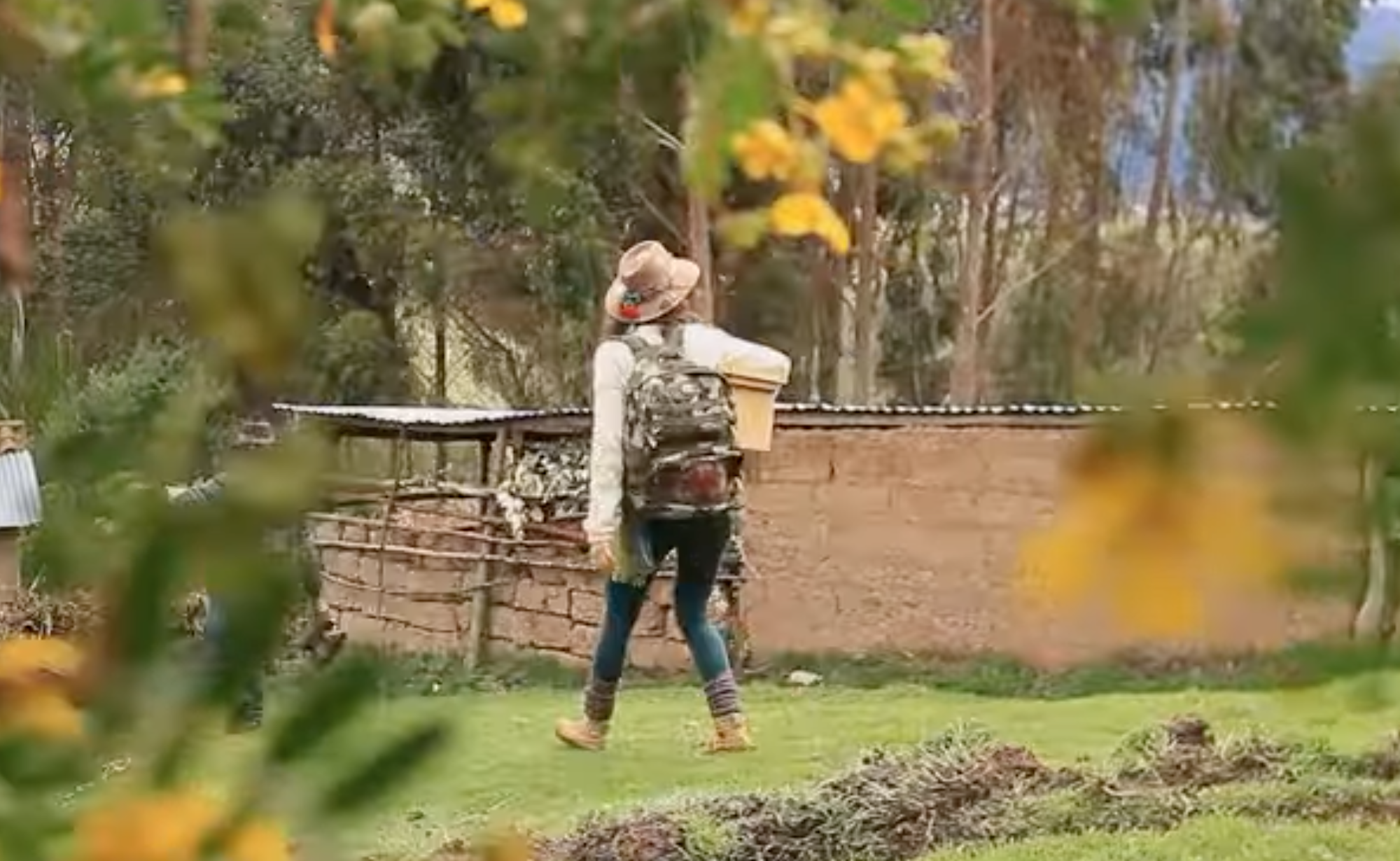
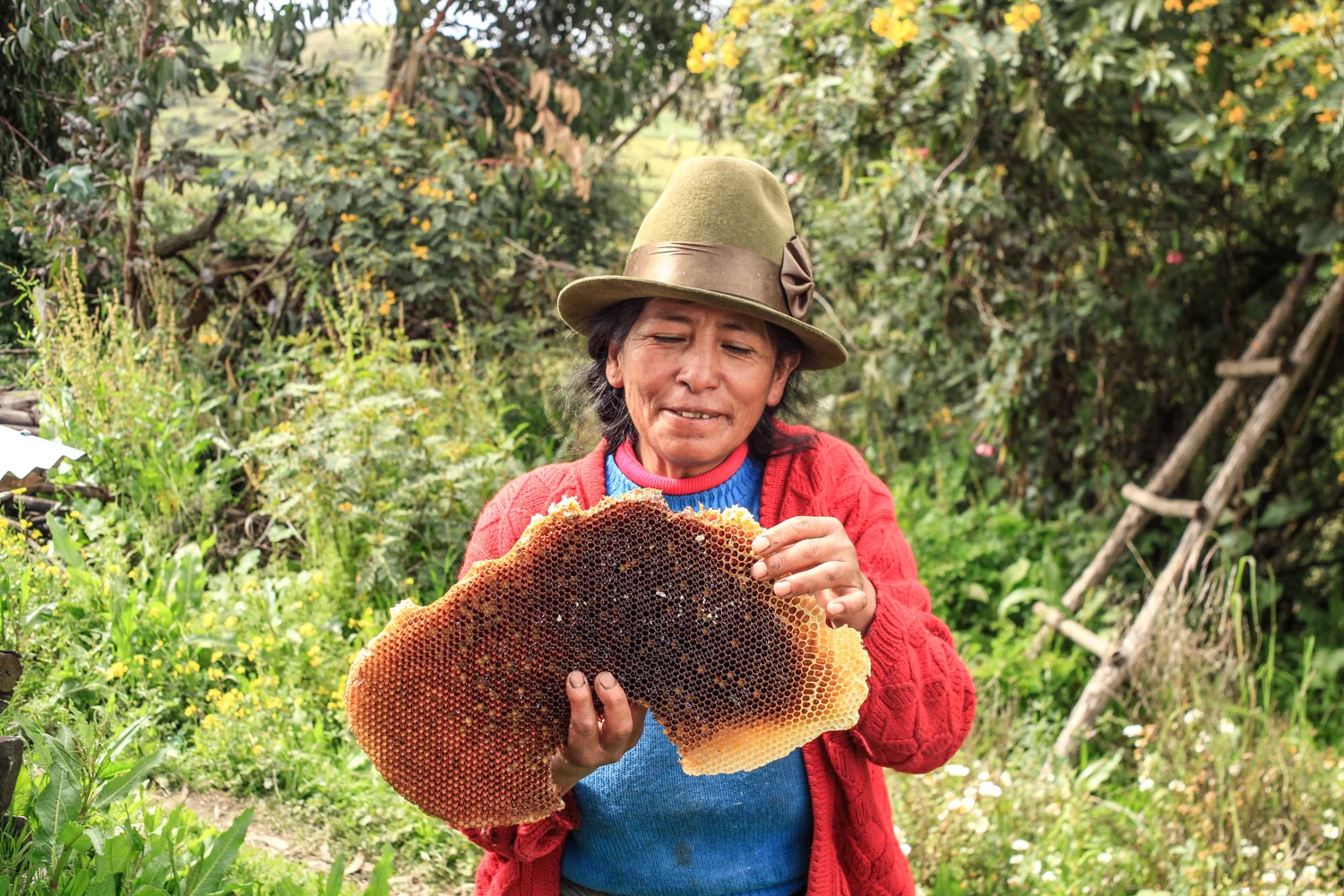
With Yesenia & David | Oct 2018 in Anta, Cusco - Peru
With David and the partially blind beekeeper elder
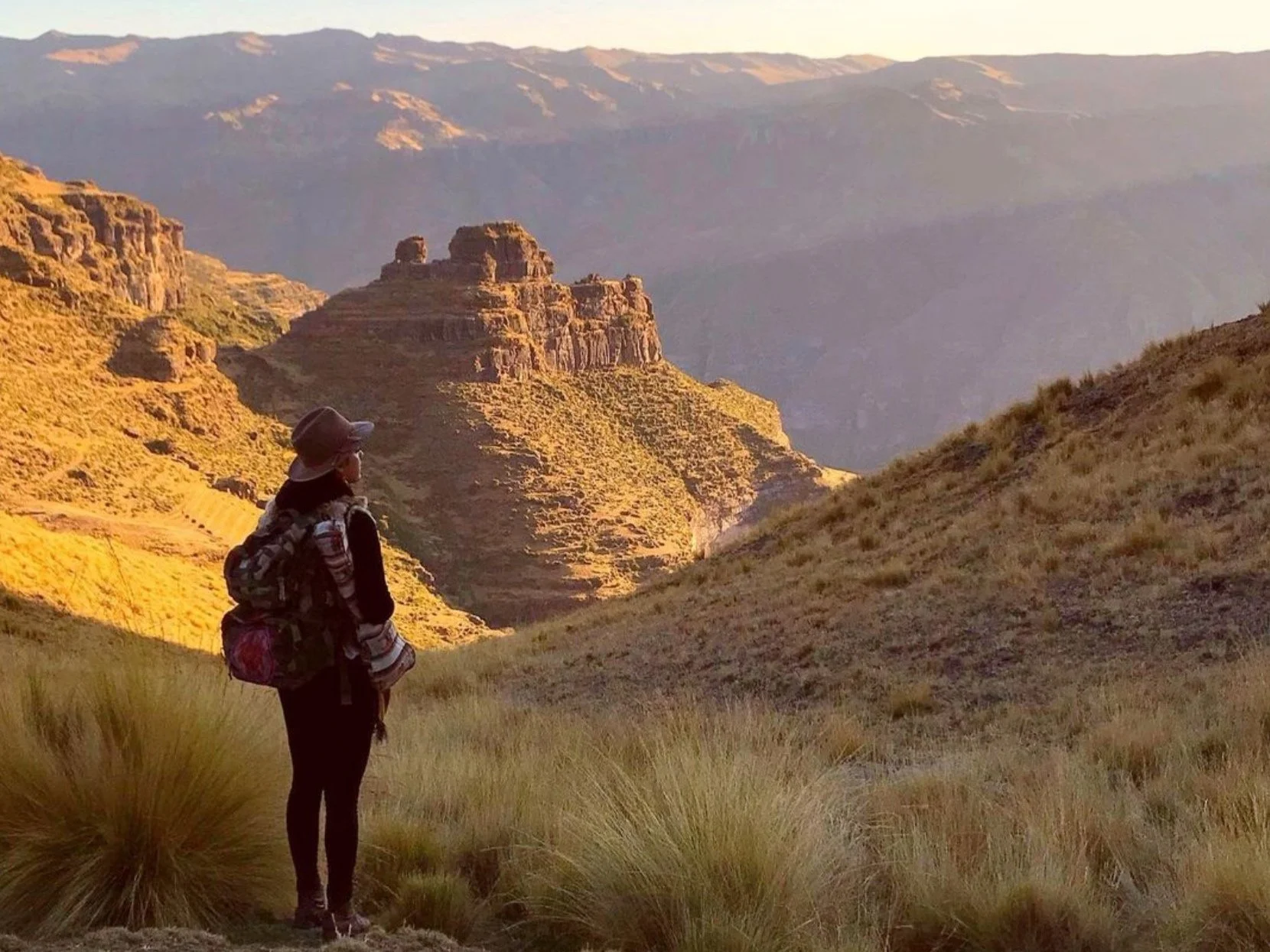
Bee whisperer David | Nov 2019 in Waqrapukara
December 2022 | Chicón mountain, Urubamba - Peru
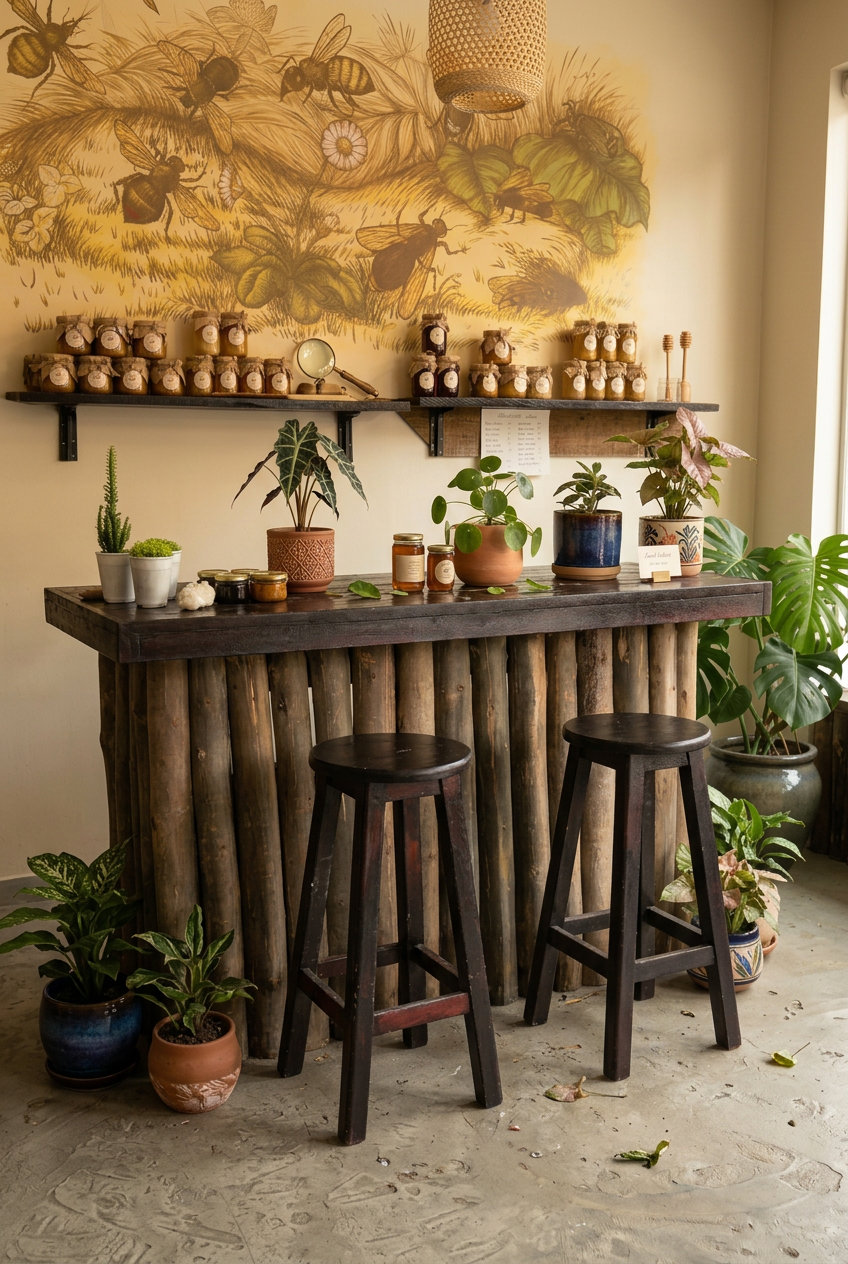
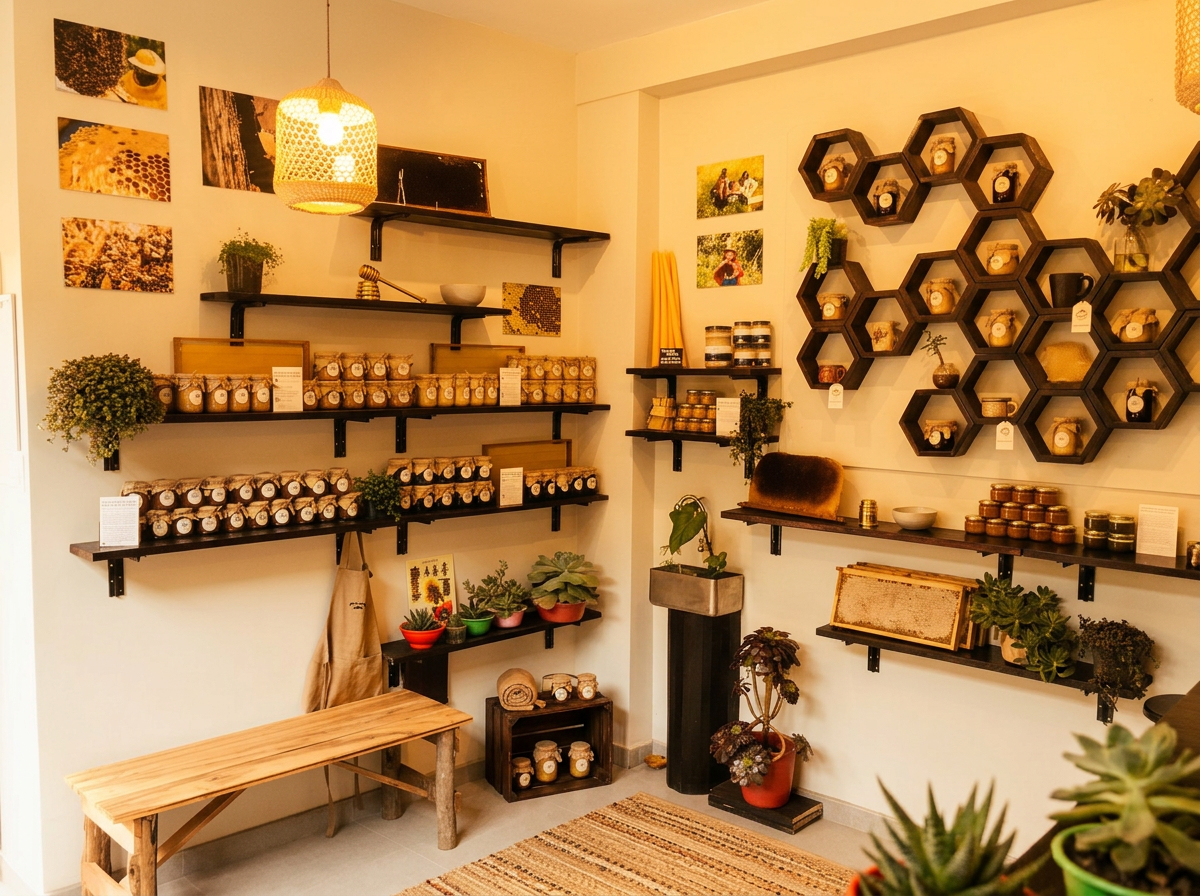
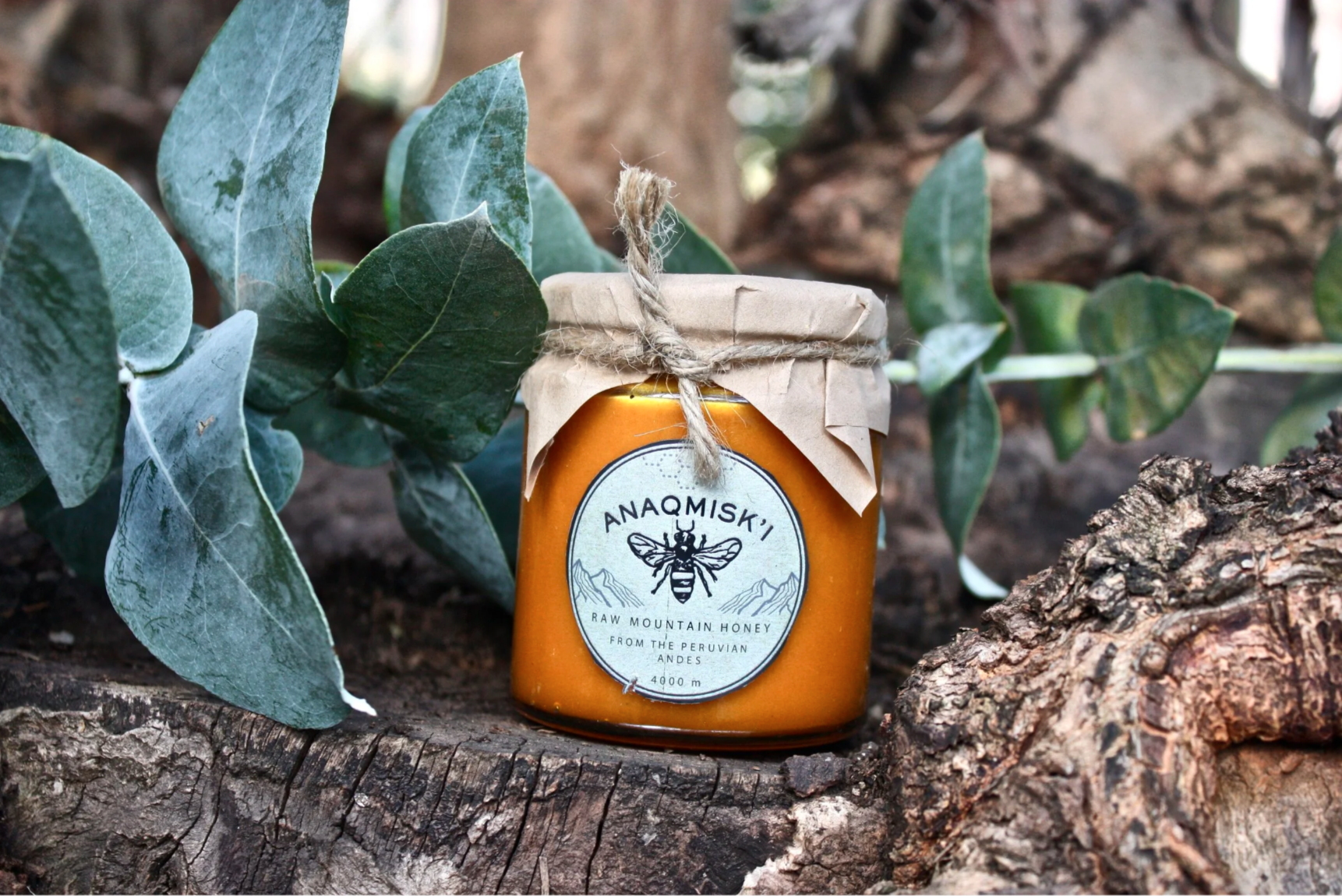
A n q m i s k ‘ i M i e l
Exceptional honeys, from the altiplano to the jungle, gathered from rare flowers in the heart
of the Inca village
O l l a n t a y t a m b o
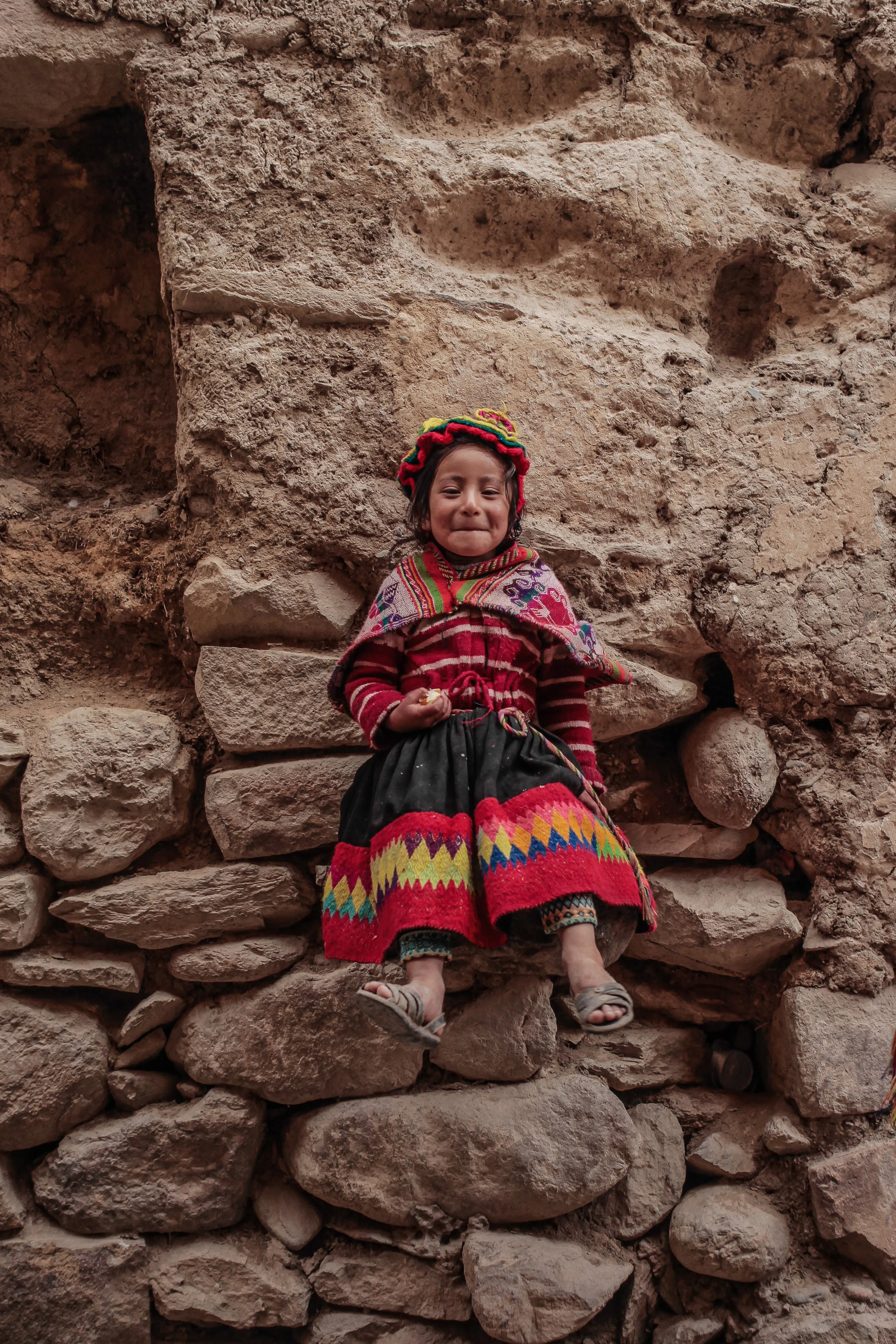

Waqrapukara, the Land of Giants and Honey
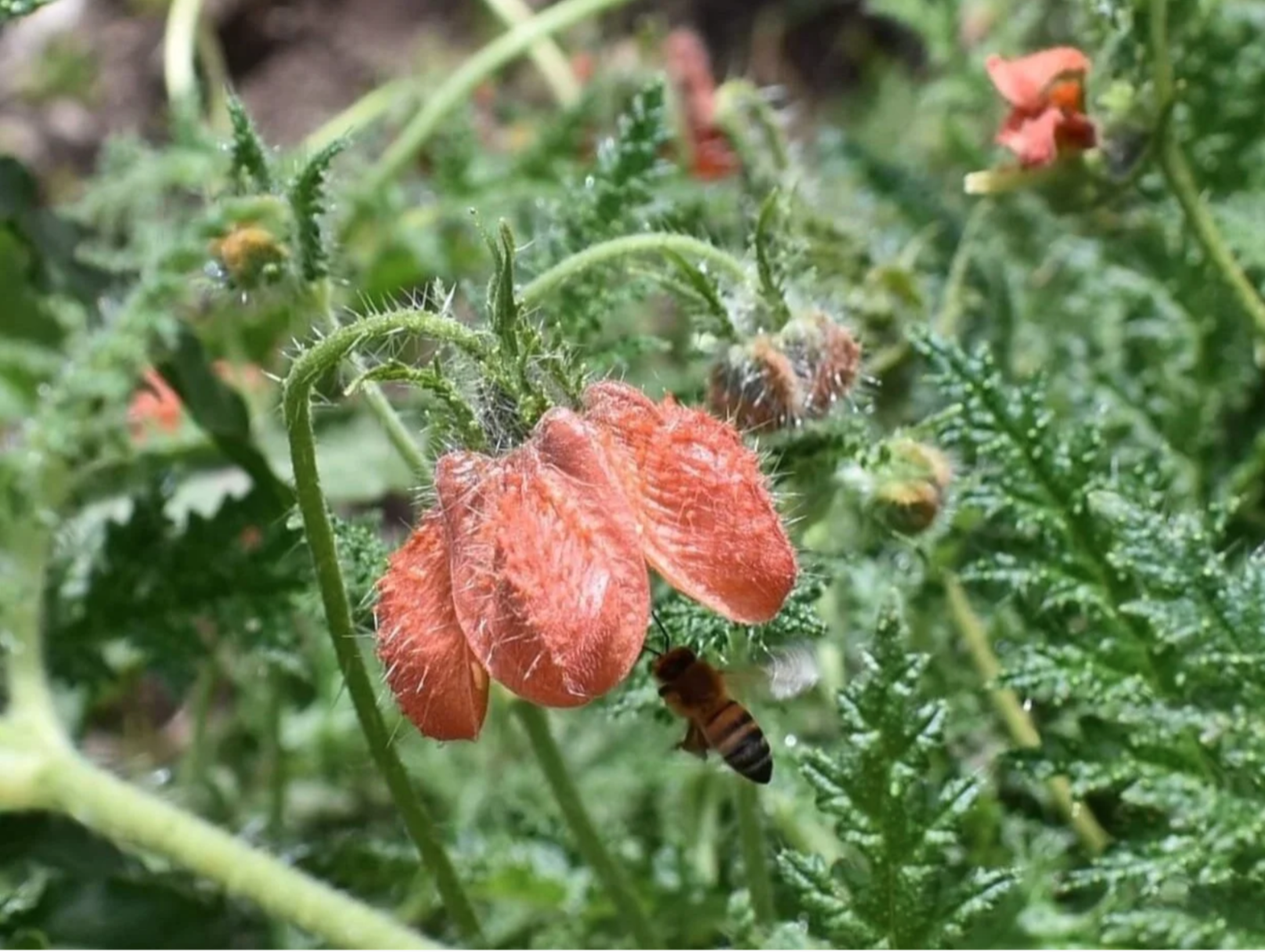
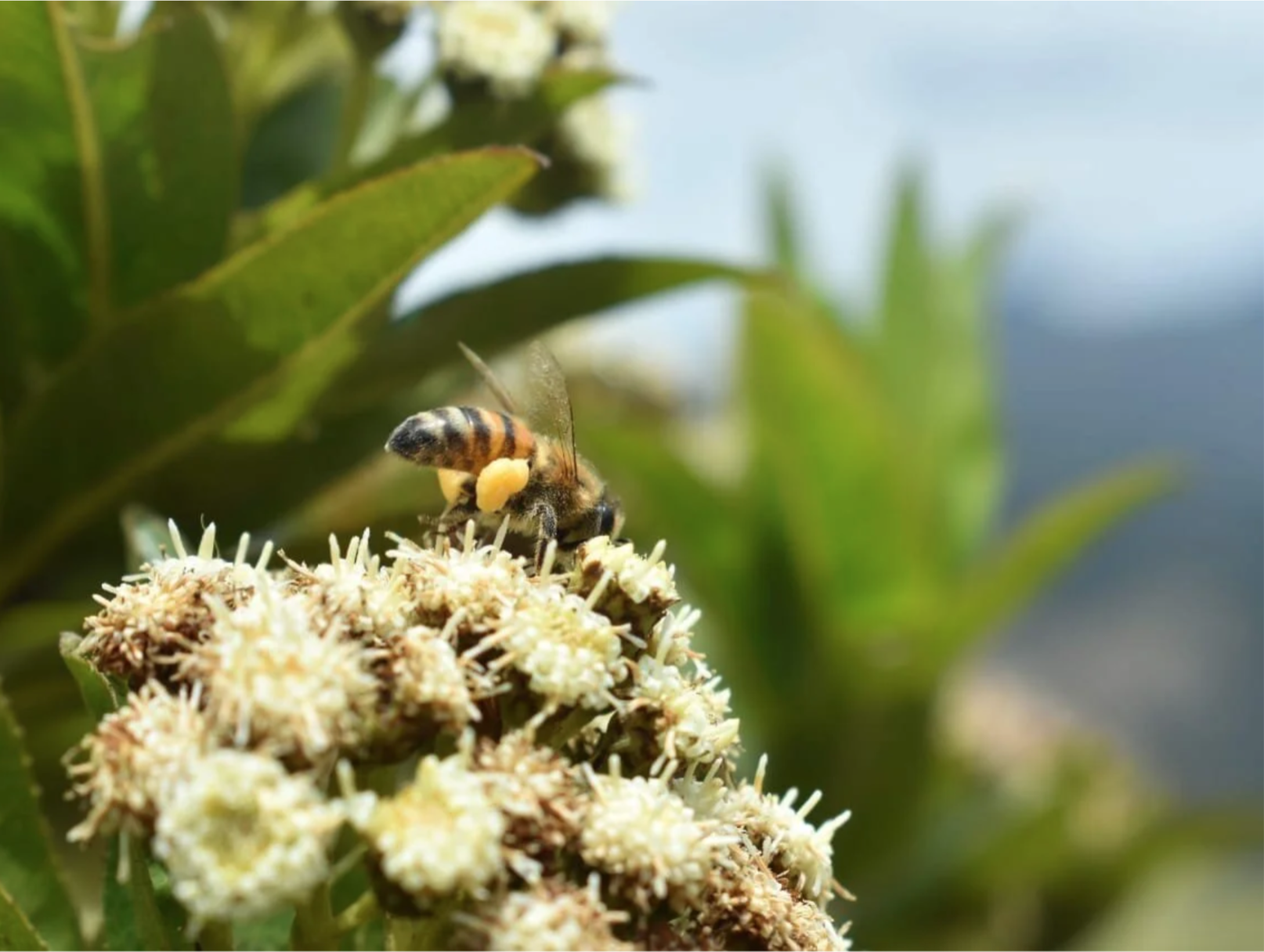
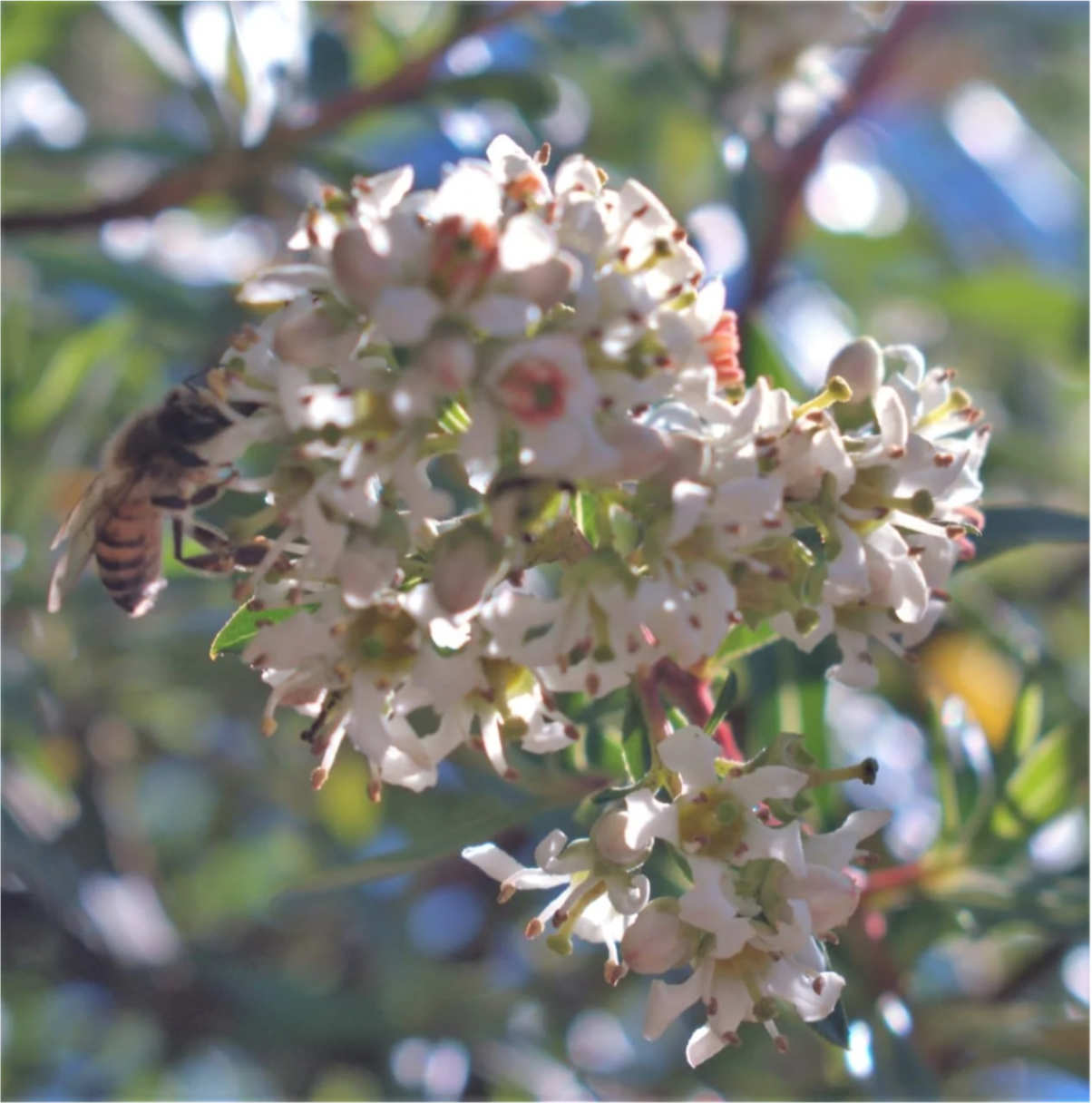
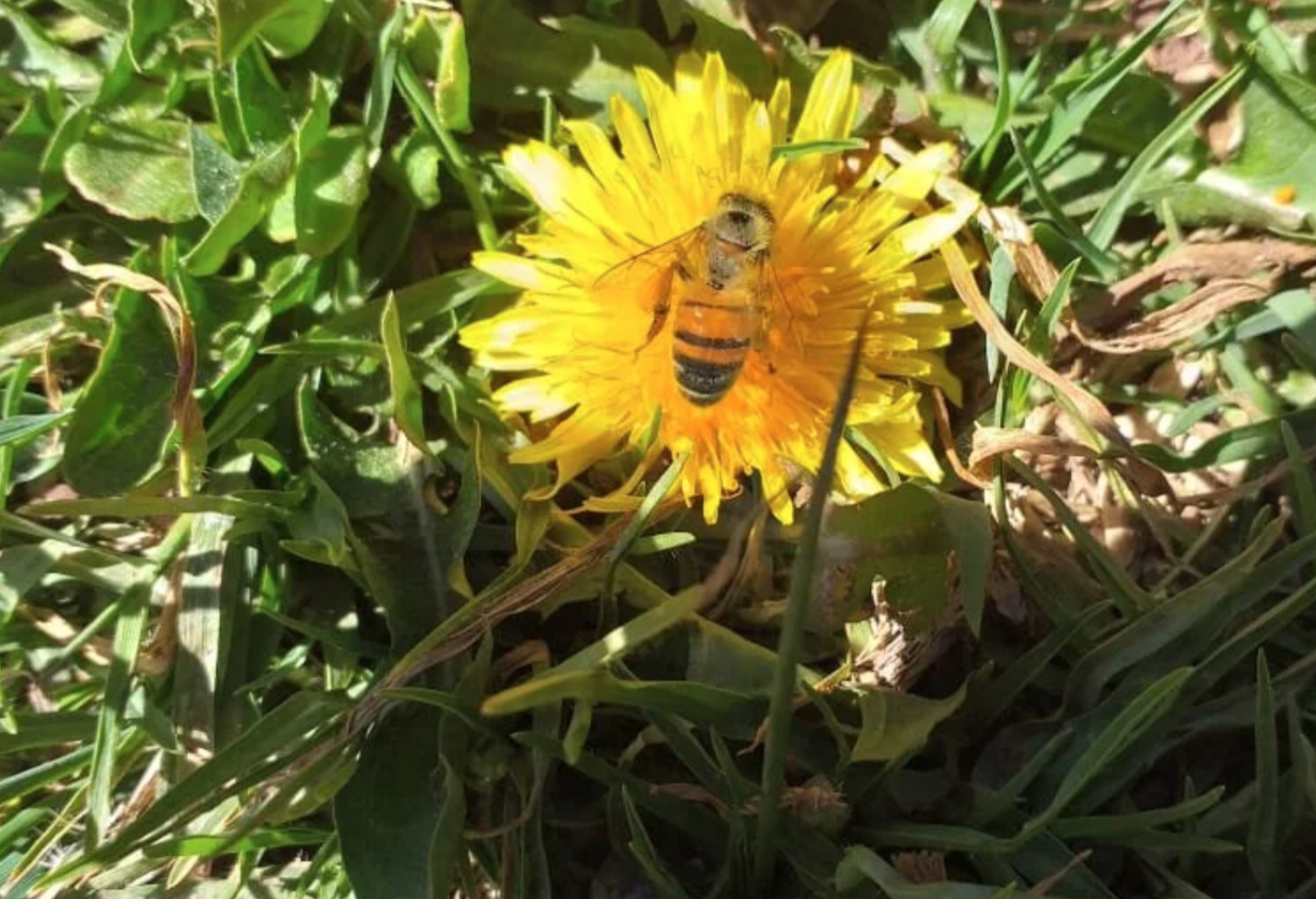
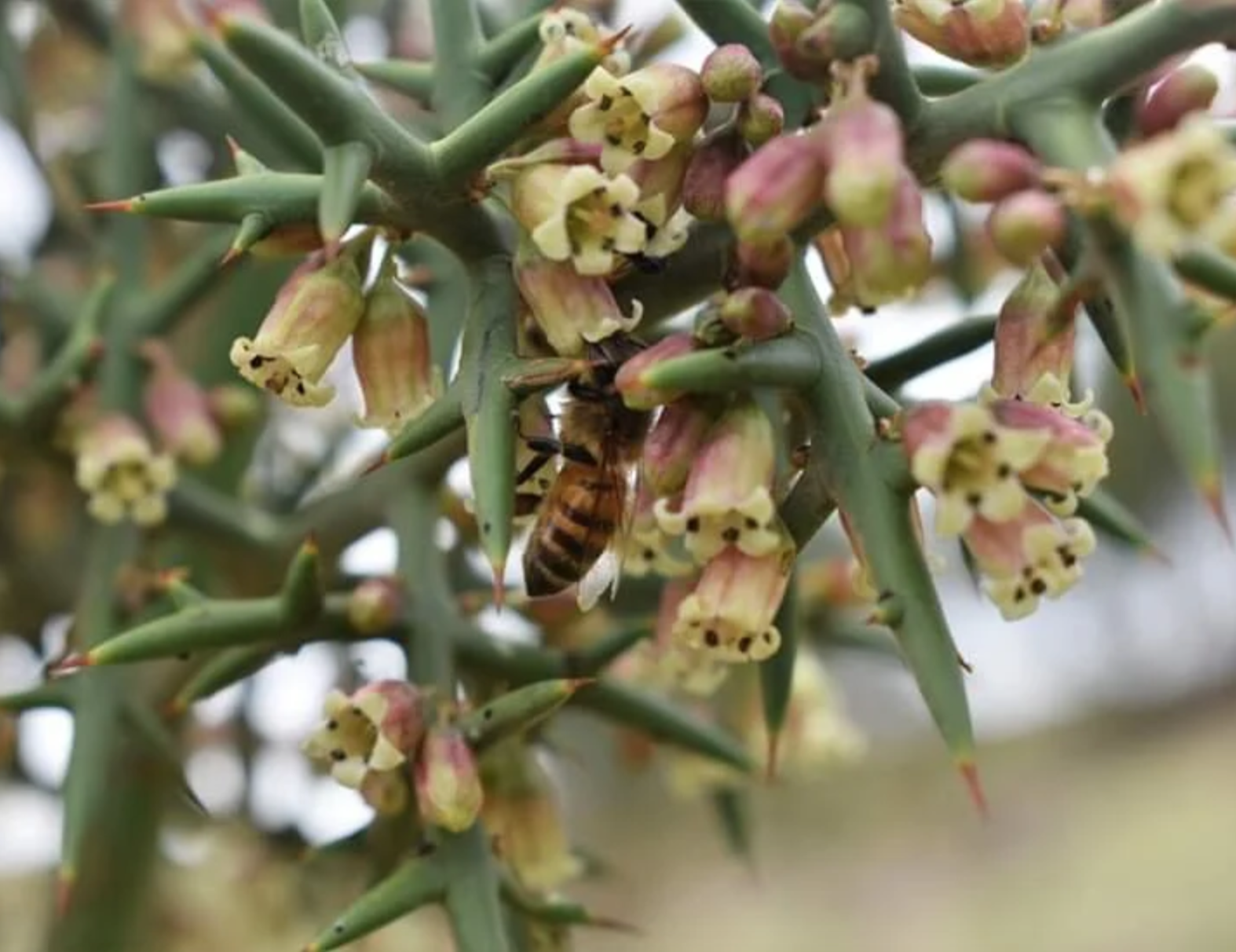
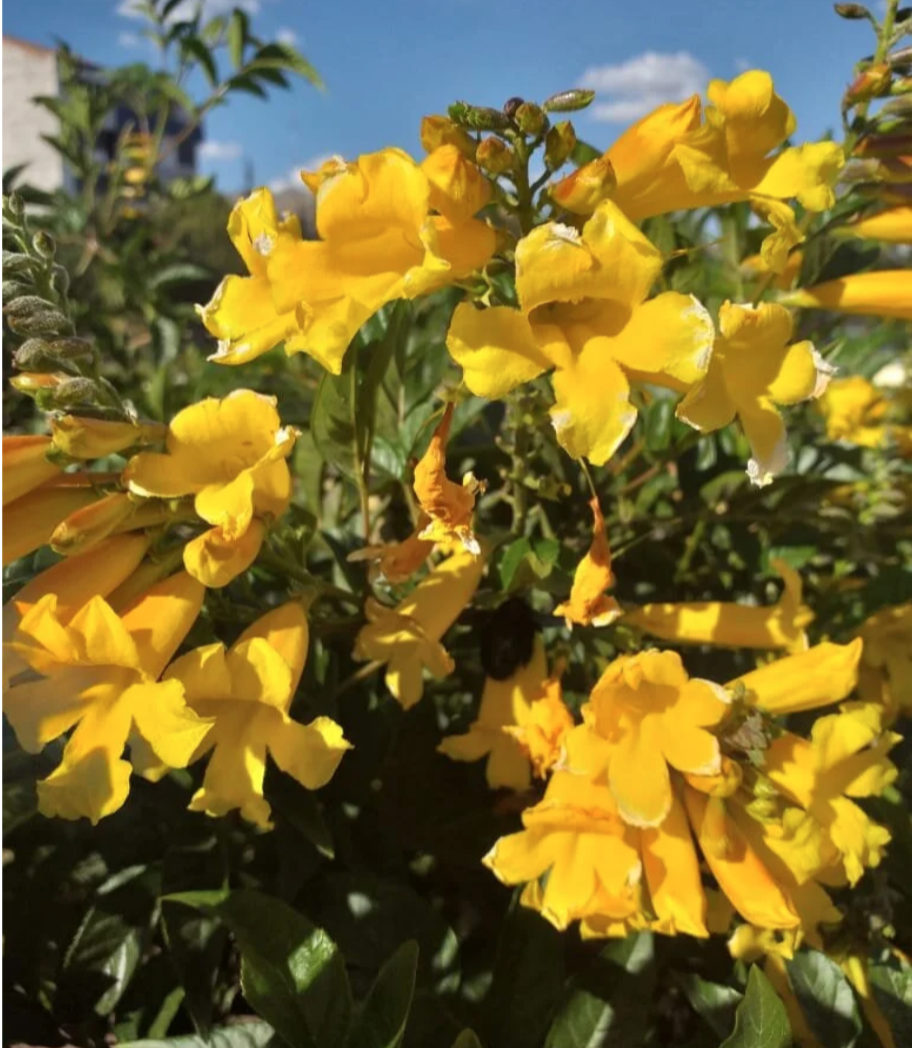
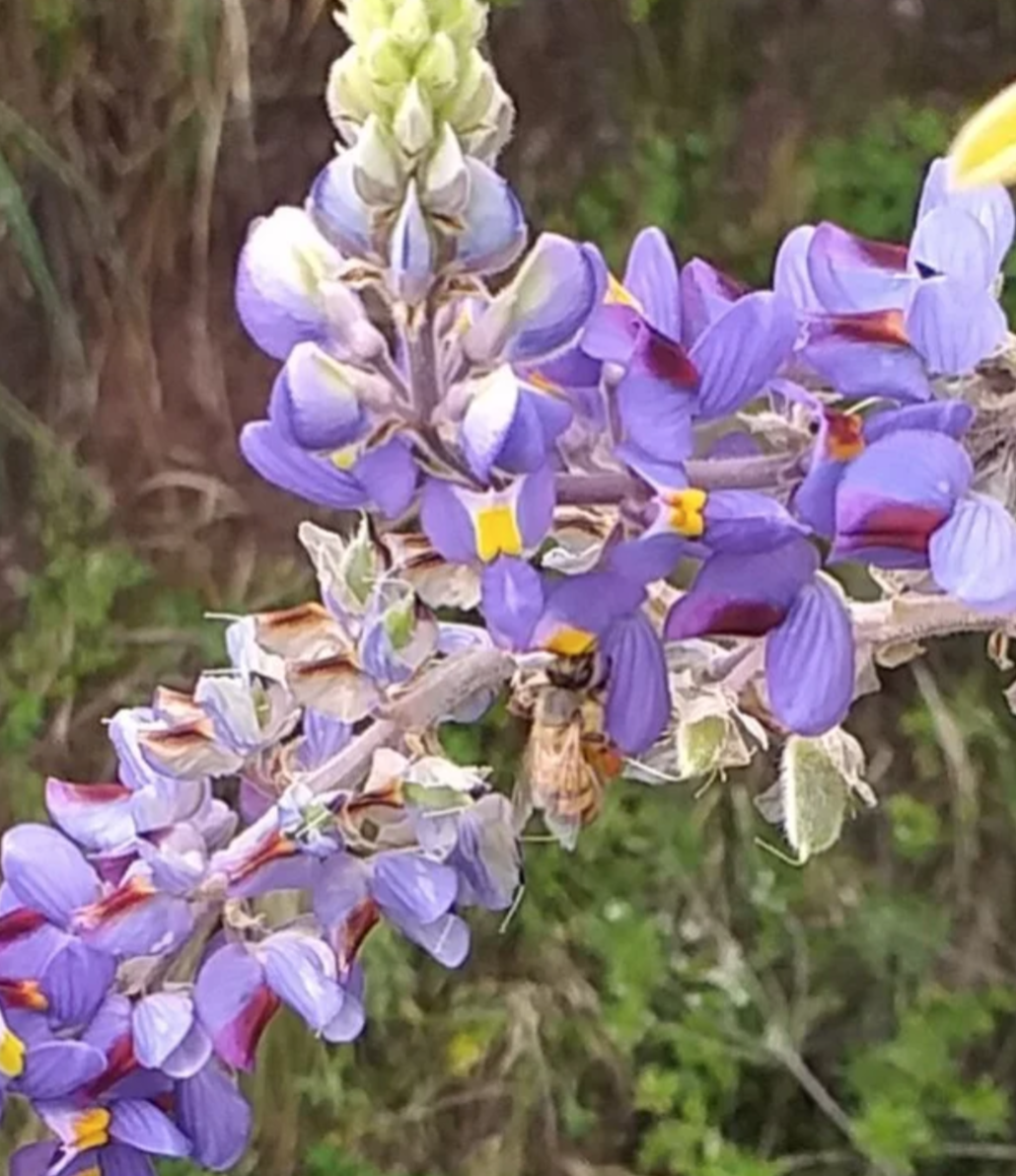
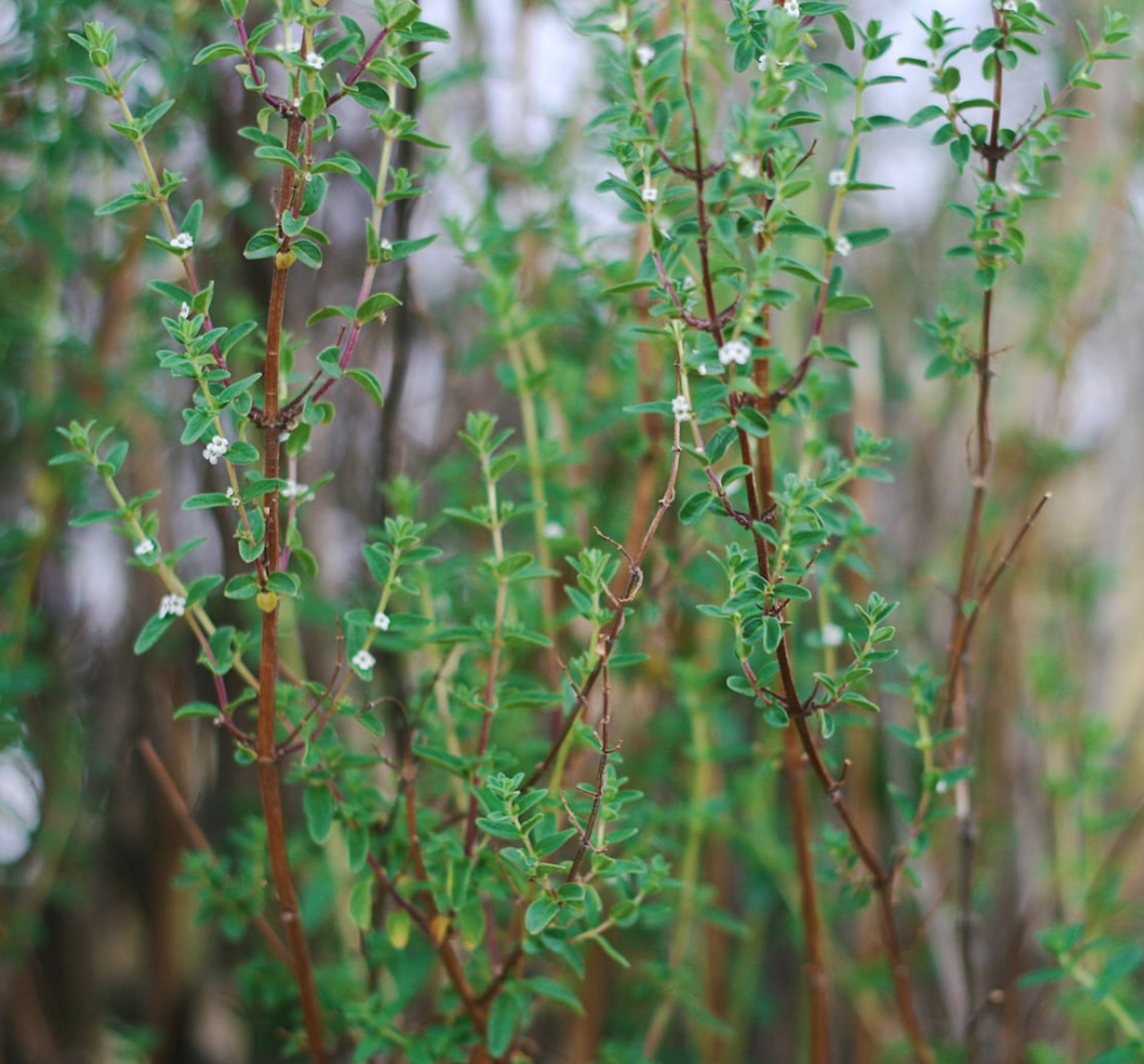
The bees forage on native medicinal plants, Chachakuma, Muña, Paqpa, and Q’ero, growing wild across mountains that have supported this kind of beekeeping for generations. This is the land where I once harvested honey myself, and it’s still where the propolis in my products is gathered today, by partner beekeepers who’ve kept the tradition alive in my absence.
The hives sit near Waqrapukara, in the mountains of Acomayo, south of Cusco, close to 4,567 meters, the highest point of the trek up to the site, with the ruins and the hives themselves settled not far below that peak. It’s a soaring rock formation settled into a river valley and ringed by dramatic cliffs. Standing there, it's easy to understand why the Inca and the nations before them, considered it a threshold of sorts, a place where the ordinary rules of the mountain seem to loosen slightly.
The name itself carries some real mystery. “Waqrapukara” comes from Quechua, “waqra” for horn, “pukara” for fortress, giving it the common name “Horned Fortress.” But there’s a puzzle in that: there were no horned livestock in this part of the world until the Spanish arrived, long after the name was already in use. Locals have their own explanation instead: the two peaks are said to represent the upright ears of a llama, a sacred animal to the Inca, used for carrying heavy loads across long distances, and for ritual sacrifice. Under that reading, the older name is “LlamaPukara,” the llama fortress. A third name survives too, “Llaqtapukara,” roughly “the people’s barracks,” which may point to the site’s role as a last refuge for a people resisting the Inca empire. One archaeologist who’s studied the site put it simply: whatever the exact translation, the place itself is “the architecture of power.”
That resistance is a real, documented part of its history. Long before the Incas ever arrived, the site was already a place of religious significance, first occupied by the Qanchis people, possibly as far back as 2500 BC, and used as a shrine to the god Teqsi Pachacamaq Wiraqocha. When the Inca empire eventually conquered the Qanchis as part of its wider expansion, Waqrapukara took on a second life as an administrative outpost, its strategic position too valuable to ignore, while its religious role continued much as it had before. Later, when a Qanchi leader named Ttito Qosñipa rose up against rising Inca tribute demands, he held out at Waqrapukara for months, and it’s thought the site’s two distinctive towers were built during this period, as lookout posts for exactly that kind of resistance. The story is said to have ended not in bloodshed but in a kind of reconciliation, an Inca princess given to the rebel leader, whose people were then folded into the very army marching outward to expand the empire further. From that point on, Waqrapukara took on yet another role, an astronomical observatory and an official sanctuary dedicated to the sun god, Illa Teqsi Pacha Kamaq Wiraqocha.
The climate up there is genuinely demanding. The region moves through a cold, dry season from May to October and a rainy one from November to April, with winds picking up sharply in August and September. Nights can drop as low as -6°C, even as daytime temperatures reach a relatively mild 19°C. The trek to reach both the bees and the ruins covers about 23.6 kilometers, climbing from a minimum altitude of 3,400 meters up to a peak of 4,567 meters, a 1,339-meter climb and a 1,691-meter descent, usually taking two full days to complete.


The Melipona Bee
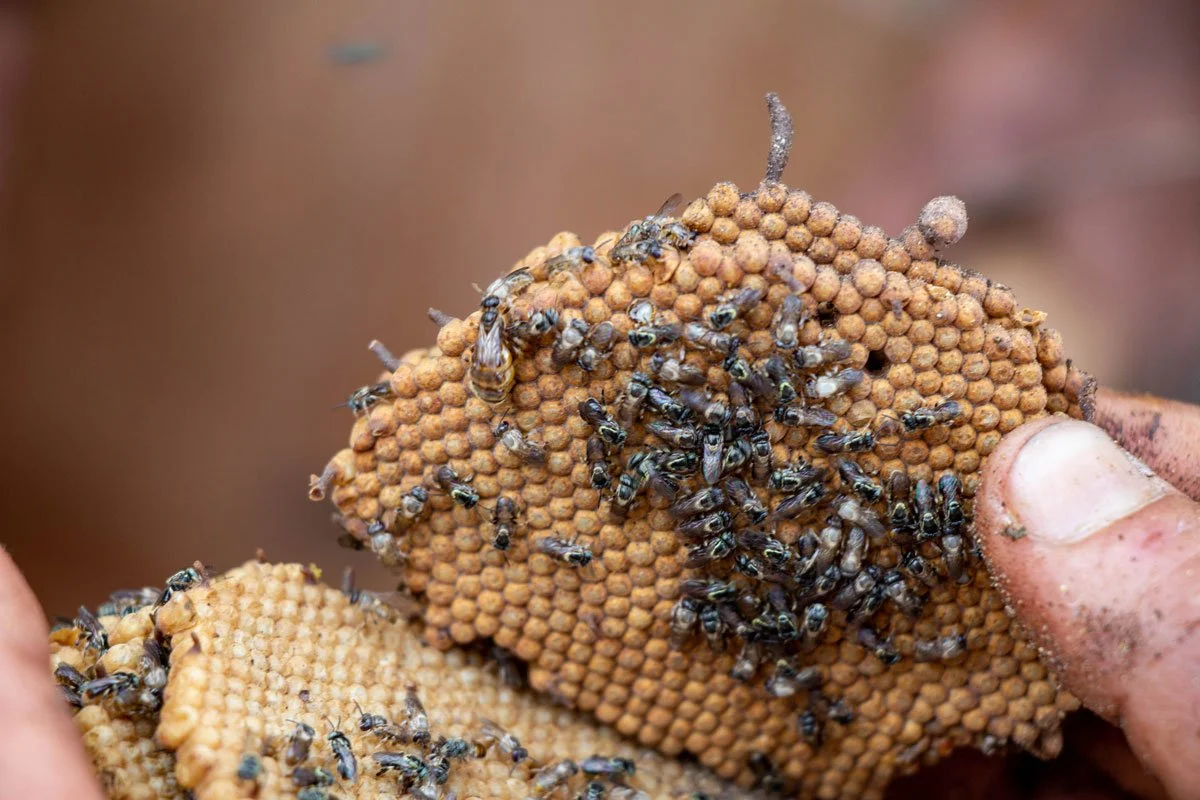
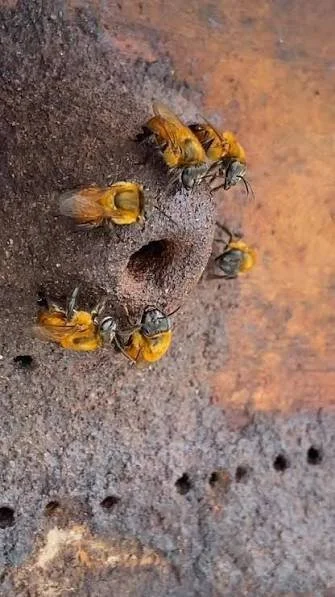
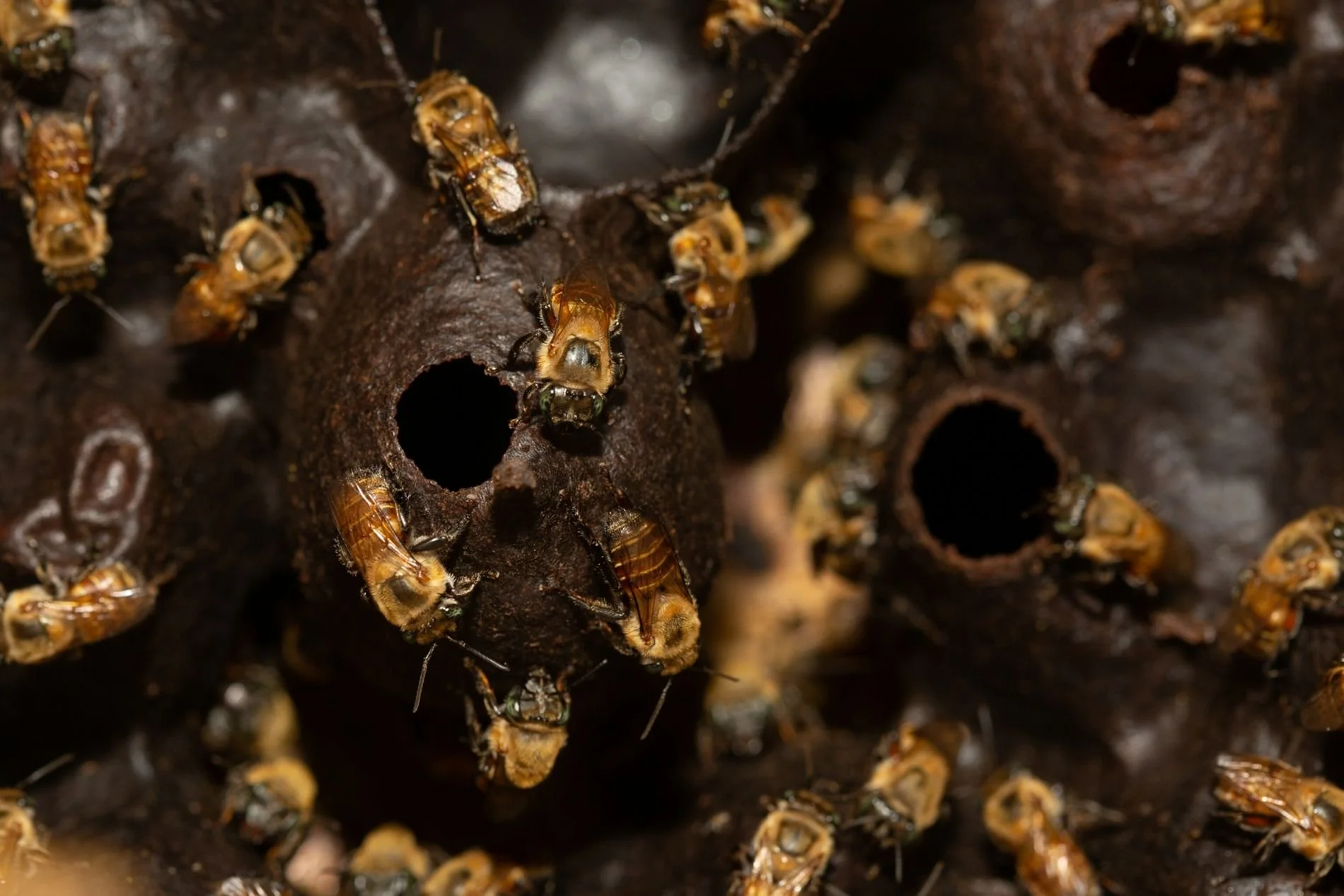
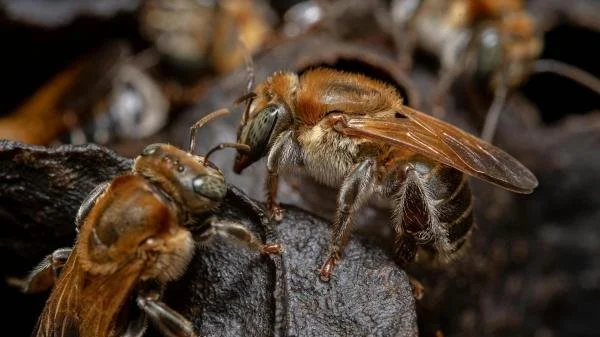
Peru is home to roughly 175 documented species of native stingless bees, part of the Meliponini tribe, entirely distinct from Apis mellifera, the honeybee I actually keep. Unlike the honeybee, these native bees have no sting at all (but they can bite if they feel threatened), defending their nests instead with sticky tree resin, which they also use to build distinctive, often brightly colored entrances to their hives. Indigenous communities across Peru, especially in the Amazon, have kept and harvested from these bees for generations, using their honey, wax, and pollen in food, traditional medicine, and religious ceremony long before the European honeybee ever arrived. Melipona eburnea is the most widely kept species across Latin America today, alongside dozens of others still being formally described. Most of this native bee diversity, and the deep tradition surrounding it, belongs to Peru's Amazon lowlands and warmer coastal regions rather than the high Andes, so the bees at my own altitude, tending Waqrapukara's slopes, are a different lineage entirely, introduced rather than native, even as they forage on plants that are themselves part of a much older story.
Native Medicinal Mountain Plants
The mountains around Waqrapukara are themselves a kind of open-air pharmacy, one the local Quechua communities have drawn on for generations, long before the word "medicine" meant a bottle from a shop. Plants growing at this altitude tend to be unusually potent, and there's a real reason for it: the thinner atmosphere lets far more ultraviolet radiation through, temperatures swing sharply between day and night, and the soil itself is often thin and mineral-poor. Under that kind of sustained stress, plants respond by producing more of the compounds that protect them, flavonoids, alkaloids, resins, essential oils, the same defensive chemistry that gives them their medicinal weight. In a strange way, the harshness of the place is exactly what makes what grows there so potent.
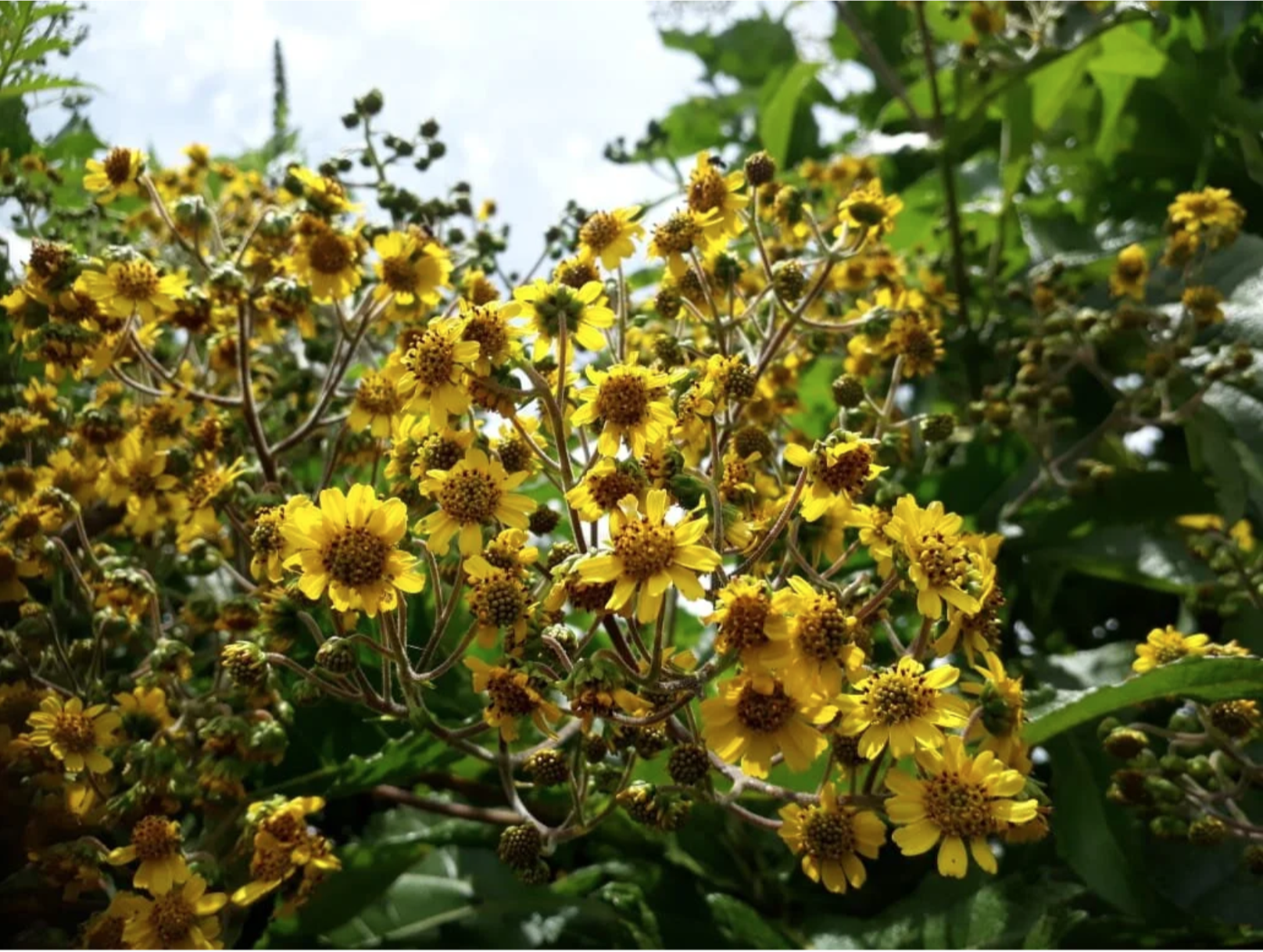
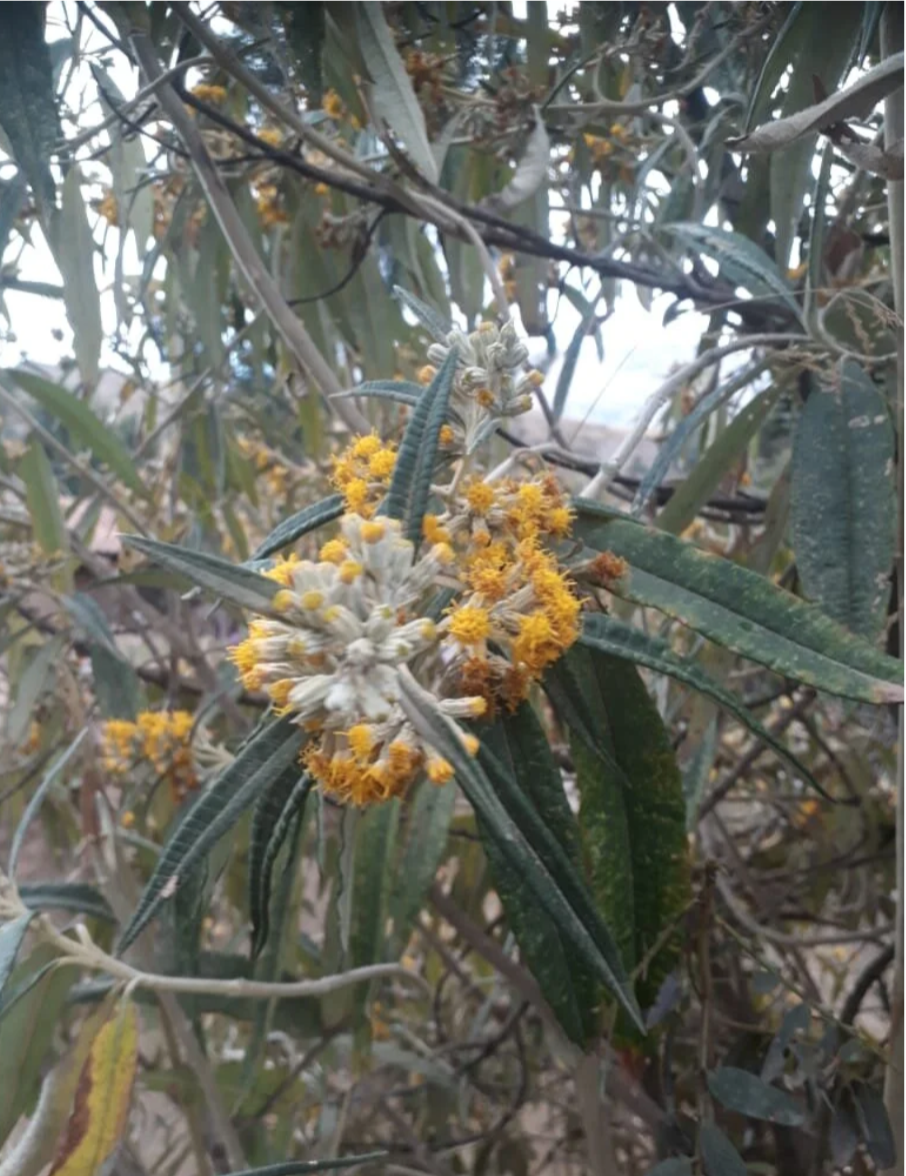
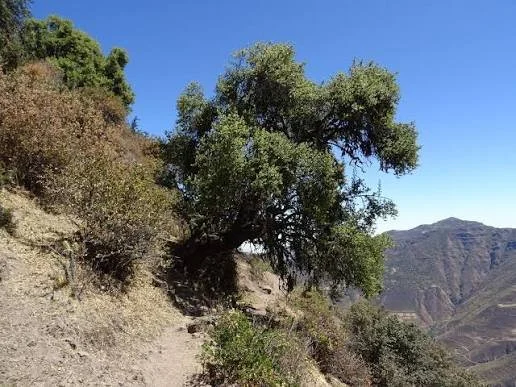
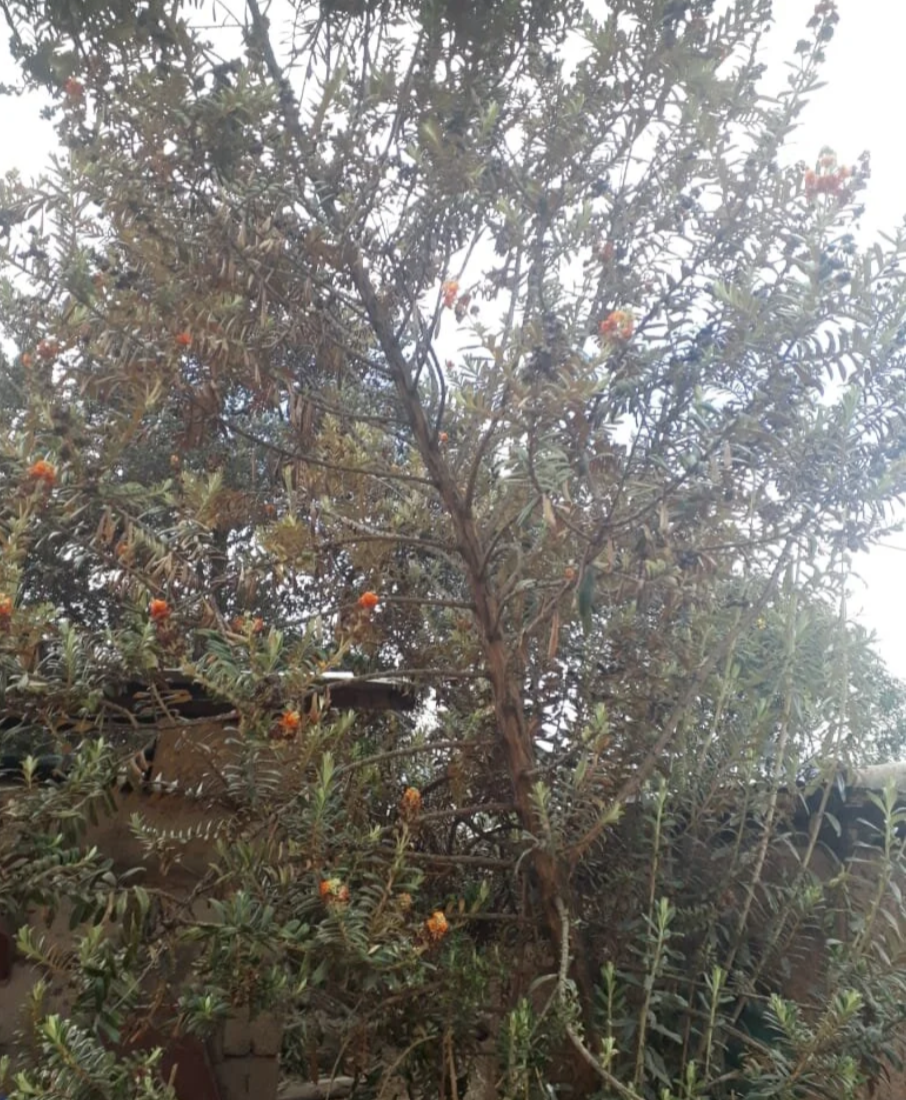
Chachacomo is by far, for me, be the plant most worth knowing properly out of all of them. Botanically, it's Escallonia resinosa, a hardy, slow-growing tree found across the high Andean forests of Peru, Bolivia, Ecuador, and northern Chile, typically between 2,600 and 4,200 meters. What's genuinely remarkable about it is where it chooses to grow at all: it's not unusual to find a chachacomo taking root directly out of a sheer rock face, a single seed somehow finding enough of a foothold in solid cliff to grow into a real tree, twisted and irregular, exactly the kind of tenacity this landscape seems to demand of everything living in it. Local communities have long considered it a sacred medicinal tree, not just a source of good timber. The wood is dense and richly resinous, valued for generations for construction and toolmaking, but the bark and leaves carry their own tradition too, prepared and used in various treatments passed down through the same communities, and traditional healers have used the leaves specifically in ritual baths, addressing conditions understood locally as part physical, part spiritual. It's a slow tree in every sense, slow to grow, slow to be replaced, which is part of why it's now considered threatened in parts of its range, the same patient, hard-won quality that lets it grow out of a cliff face in the first place.
Chilca grows wild across these same slopes and has long been used for joint pain and digestive troubles, one of the true staples of Andean folk medicine. Quiswar, a small, hardy tree that somehow thrives on windswept, frost-prone ground, was so revered by the Inca that one is said to have stood at the entrance to one of Cusco's most sacred temples, its bark and leaves traditionally used for kidney and stomach ailments. And Pilli-pilli, humble and easy to overlook, is actually one of the most traded medicinal herbs in Cusco's own markets today, reached for mainly to ease coughs and chest complaints.
The bees move through all of it, and what ends up in the honey and the propolis is, in a very real sense, the essence of this distilled whole living pharmacy.
Black Propolis
Propolis begins as tree resin, gathered by the bees themselves from buds and bark, then carried back to the hive and worked with wax and their own enzymes into a dense, sticky material beekeepers have long called "bee glue." Its color always reflects its source: propolis can run anywhere from pale yellow to deep brown to green or red, depending entirely on which plants the bees were drawing resin from that season, most propolis worldwide settles into a common dark brown. What comes from these particular mountains goes further still, genuinely black, dense, and unusually concentrated, a direct reflection of the specific resinous native trees and shrubs growing at this altitude, the same demanding, high-elevation flora already part of this whole story.
My partner beekeepers gather it in its rawest form, hard, resinous blocks, black as stone, scraped directly from the hive. That's not the propolis you'd find in a jar or a dropper bottle. The real transformation happens afterward, and much further away: once the raw resin reaches Kermenguy, in Brittany, I macerate it slowly in local eau-de-vie, at 70 proof, for six to nine months, patiently drawing out everything the resin has to give before filtering, decanting, and bottling it entirely by hand. From black Andean stone to finished Breton tincture, it's a fully artisanal process from start to end, just split across two very different landscapes, one giving the raw material, the other doing the slow work of turning it into something finished.
Guided by a family tradition of respect for Pachamama, the Earth Mother, this propolis carries an unusually concentrated character, a mark of the altitude and the untouched landscape it comes from. You'll find it worked into honey, in a pure tincture, and in a balm, alongside the rest of the range on the Shop page.
Apitherapy
Apitherapy is really an umbrella term for a whole family of practices built around what the hive produces, each with its own tradition and its own use. Propolis, taken internally or applied to the skin, has been used for centuries as an antiseptic and general tonic. Pollen and royal jelly are prized for their density, nutritional and otherwise, often taken as a kind of concentrated supplement. Some practitioners even work with the air inside the hive itself, sitting or lying close to an active colony, drawn by the warmth, the hum, and the volatile compounds the bees release as they work. And then there's the most demanding practice of all, and the oldest: bee venom therapy, apitoxin delivered directly through a live sting, or sometimes through extracted venom, aimed specifically at inflammation and chronic pain.
Of everything the hive offers, venom is the oldest medicine of all. Rock art left by early hunter-gatherers already depicts the honeybee as a source of healing, long before anyone wrote anything down. By the time of Hippocrates, the Greek physician still called the father of medicine, bee venom was being used specifically for arthritis and joint pain, a practice that traveled through ancient Egypt, Greece, and China alike. It nearly disappeared from serious medical attention for centuries, until an Austrian physician named Philipp Terc revived it in 1888, publishing his own findings on bee stings and rheumatism and setting off the modern study of apitherapy that continues today, now explored for everything from chronic pain to autoimmune conditions, still debated, still actively researched.
I'm still an apprentice in this specific practice, and I mean that seriously rather than modestly. Administering venom safely asks for real, hard-won knowledge, not just of the bees, but of the body, of dosage, of risk, of exactly when not to proceed. It's not something to rush toward. I'm training under two teachers, one in Peru, one in Romania, each carrying a different piece of a tradition that takes real time to earn.
Worth knowing plainly: I don't offer bee venom therapy in France. Venom is classified there as a medical substance, and administering it therapeutically falls outside what a non-medical practitioner is legally permitted to do. My plan instead is to offer it in Peru, in the coming years, once my training is complete, where I'll be able to practice it properly and legally, closer to the very tradition I'm learning it from.

Sacred Bee Wisdom online course
If the bees themselves are what drew you here, there's more waiting for you. My online course, Sacred Bee Wisdom, goes much deeper into everything they've taught me, an entire journey built around the mysteries of tending them and the quiet art of really listening to what they have to say. Alongside the course itself, you'll find guided meditations and binaural beats meant to be lived with at your own pace, not rushed through. A few voices join me along the way too, among them the Andean musician Tito La Rosa and world reknown beekeeper and author Jacqueline Freeman, each adding their own layer to the same conversation.
The price, €199, carries the weight of years spent in the company of bees, learning slowly, imperfectly, the way anything real is learned. It isn't payment for a lesson. It's an offering shaped by that time. This isn't a manual, there's no A, B, C for how to keep a hive, no checklist to follow. Plenty of that already exists, and none of it is what the bees actually taught me. What's here instead is a different way in: learning to know them, read them, feel them, through the senses rather than through instructions. A slower kind of knowing. If something in you already recognizes this, you'll know

The Andean Cosmovision
The Andean and Amazonian worldview is rooted in a respect for every expression of nature, cultivated across millennia by civilizations that coexisted and passed their knowledge forward, from what is now Chile in the south to Colombia in the north, with Peru at its historical center. More than five thousand years of peoples, culminating in the Quechua, carried this vision forward: a way of living consciously in the world, in total, sincere respect for a nature understood not as scenery but as alive, animated by a greater consciousness that every human being can, in principle, access. This way of being survived the evangelization of the 16th century by going quiet rather than disappearing, held subtly and silently by those who kept carrying it, all the way to now.
At its center is a single idea, expressed in Quechua as Kawsay: the living, reciprocal energy that runs through everything, connecting every being as an integral, participating expression of the same unified, dynamic whole. This is a biocentric worldview in the truest sense. The human being is not external to nature, not a visitor or a manager of it, but born from it, nourished by it, and returned to it when a life completes its cycle. Everything traces back to a single source of light, Illa Teqsi, the same prosperous, omnipresent energy from which the universe itself was born, the vital force animating every kingdom of life, from the mountains and rivers to the trees, the animals, the stars, and us. Pachamama, often mistaken by outsiders for a goddess or an idol, is really something closer to a relationship: pacha, earth, and mama, mother, describing the living intelligence each of us already carries within our own nature, once we recognize the law that governs it, constant exchange and reciprocity, what's called Ayni. Understood this way, the Andean worldview is ultimately a relationship with ourselves: by becoming aware of our own inner being, and the mechanisms of our own body, we become able to listen to the universe as a whole, and understand its laws.

I didn't arrive at any of this by reading. I arrived at it by watching my friend and mentor Andean-mountain-bee-whisperer, David. He rarely wears a bee suit, and when he gets stung, he laughes, shake it off by whispering ‘thank you for your life’ to the bee. There is no performance about him, he simply carries the mountain in the way he moves, and is affectionate with his bees in a way I've never seen anyone be affectionate with an insect before, like they were already kin rather than something to be managed or protected for or against.
His partner Yesenia is the mountain's other half, its sweetness, the honey itself, and it was from her heart, not her instructions, that she guided my apprenticeship. What they taught me wasn't a technique. It was a way of using my senses, a way of being in silence in those long walks to the apiaries, walking accross mountains, bushes and places void of any humans at sight. This way of being that is in service and reverence to Nature, of feeling the bees, of what I've now come to call bee-ing the bees. This natural union with our senses is a bridge of the inner to the outer, and by ‘reading’ and understanding, the bees comes in naturally and would create a real harmonious field, in which co-creation can happen.

That's the actual thread connecting Andean cosmovision to everything I do with bees now, in Peru and in Brittany both. Ayni, reciprocity, isn't an abstract ethical idea to me. It's the whole practice of beekeeping itself: you don't extract from a hive, you exchange with it, you listen before you touch, you accept what it offers instead of demanding it. Kawsay, that living energy connecting every being, is the same thing I feel standing in front of an open hive, the unmistakable sense that I'm not looking at a resource, I'm looking at kin. This is the real root of the "art of bee-ing" running through this whole site, not a phrase I invented for branding, but the closest English words I've found for something David and Yesenia showed me long before I had any language for it at all.

“ The Universe is alive and everything in it is intertwined “