

ABEILLES NOIRES
DE BRETAGNE
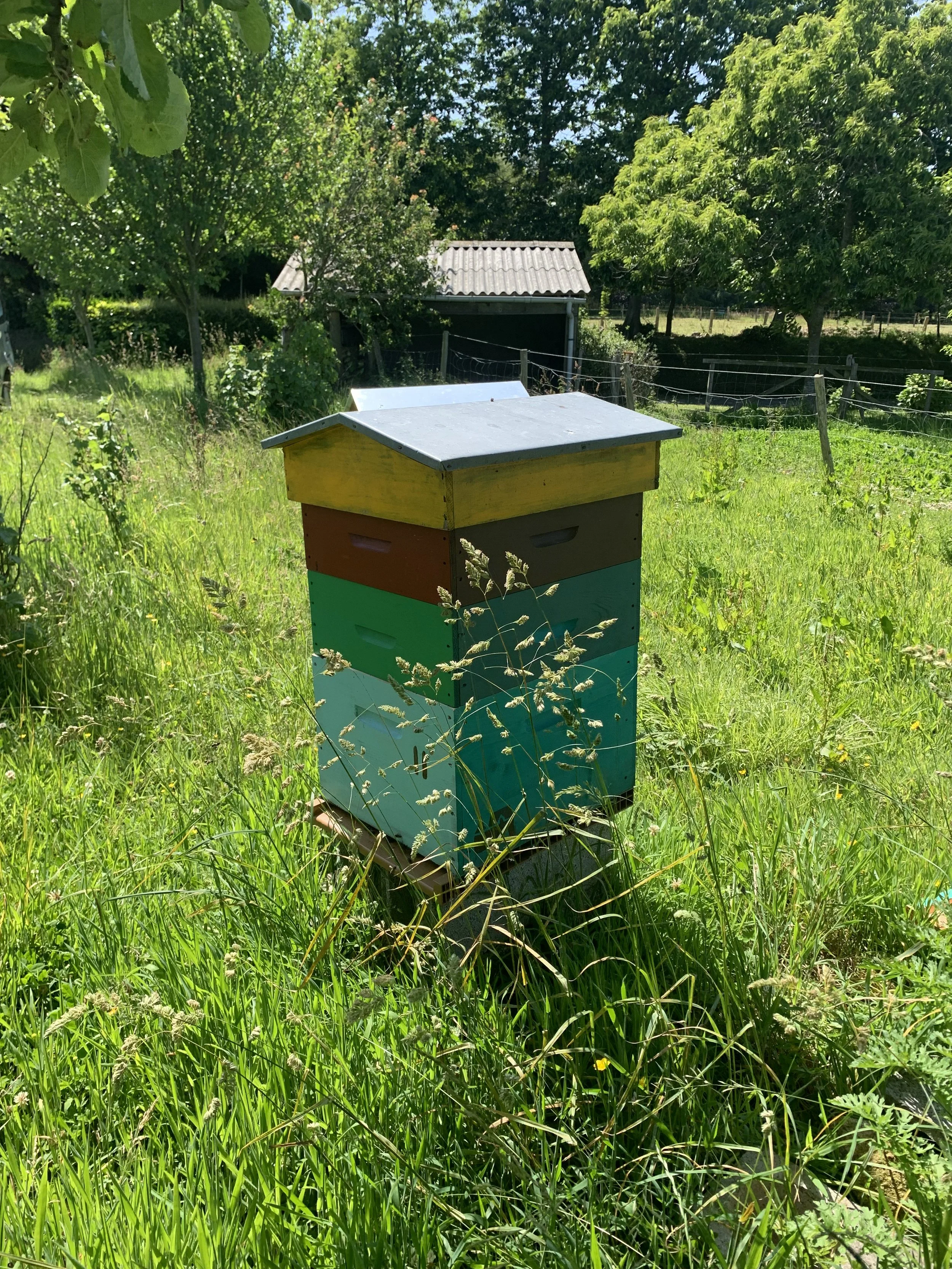
Dans un monde qui ne cesse jamais d'accélérer, j'ai choisi de ralentir. Mes miels bretons sont extraits à l'ancienne : à froid, sans précipitation, selon un rythme dicté par une unique récolte annuelle plutôt que par la demande. Mes ruches se trouvent sur la Presqu'île Sauvage, entre Paimpol et Tréguier, dans les Côtes-d'Armor, à Kermenguy, dans le village de Pleumeur-Gautier. C'est un paysage de vrais contrastes : des terres agricoles conventionnelles et cultivées côtoyant des étendues réellement sauvages de landes, de haies et de côte face à la mer, réparties à peu près également entre les deux.
Vous ne trouverez pas de propolis ou de pollen récoltés ici, et c'est délibéré, pas un oubli. Entre le changement climatique, les pesticides, les insecticides et la pression croissante du frelon asiatique, mes abeilles travaillent déjà bien assez dur, la propolis leur appartient. La propolis présente dans mes produits provient plutôt d'apiculteurs partenaires au Pérou, plus de détails sur la page Andes, Pérou.
Vous remarquerez peut-être aussi que ces miels ne sont pas certifiés biologiques. La certification exige de prouver que le rayon de butinage autour de chaque ruche respecte des normes strictes, et à travers le paysage rural morcelé de la France, cela est presque impossible à démontrer sur papier, même sur une terre aussi soigneusement entretenue que celle-ci. Je préfère être transparente à ce sujet plutôt que de faire une allégation que je ne pourrais pas justifier.


L'Abeille Noire de Bretagne (Apis mellifera mellifera negra)
Une abeille bretonne, espèce endémique et pure, en danger d'extinction.
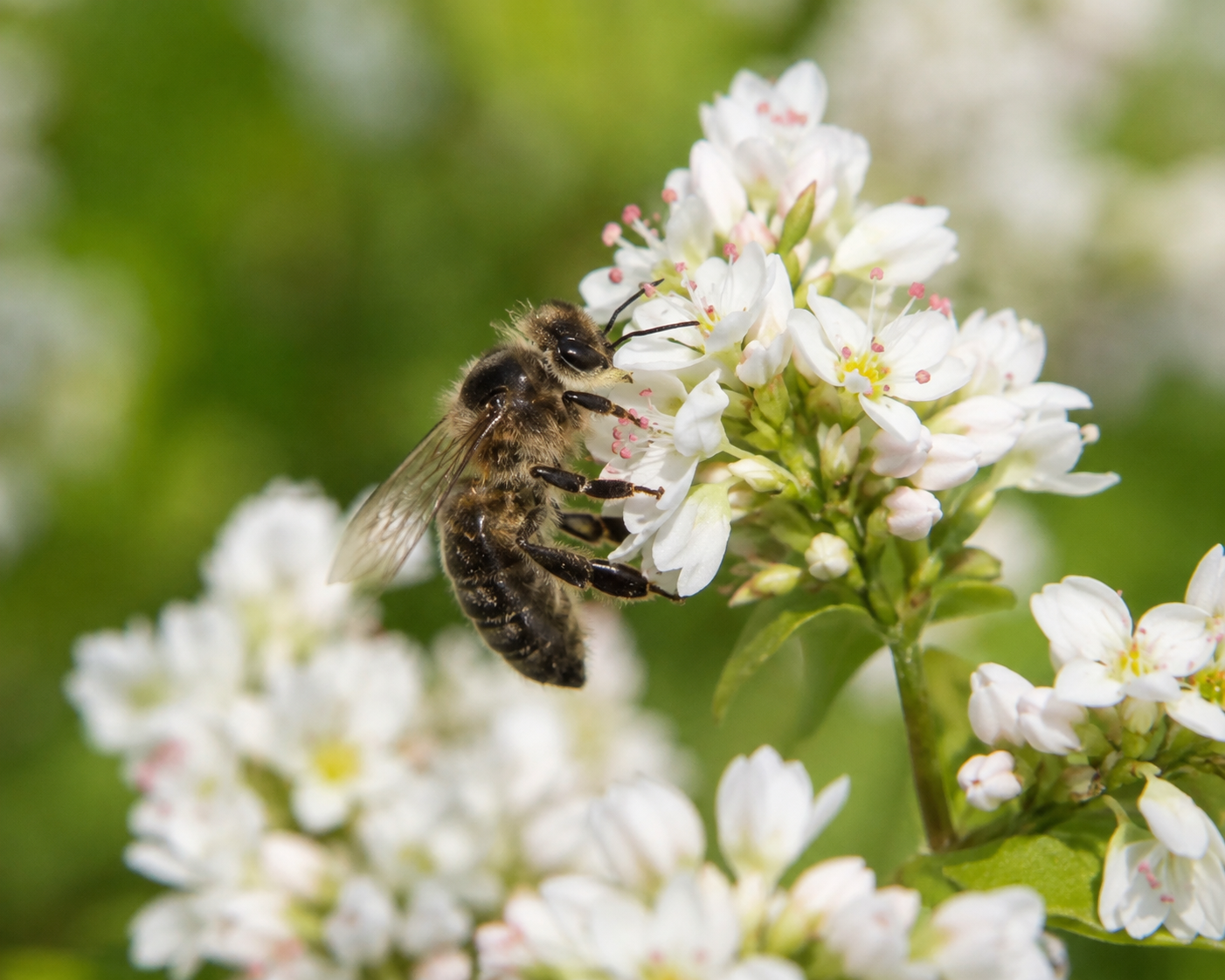
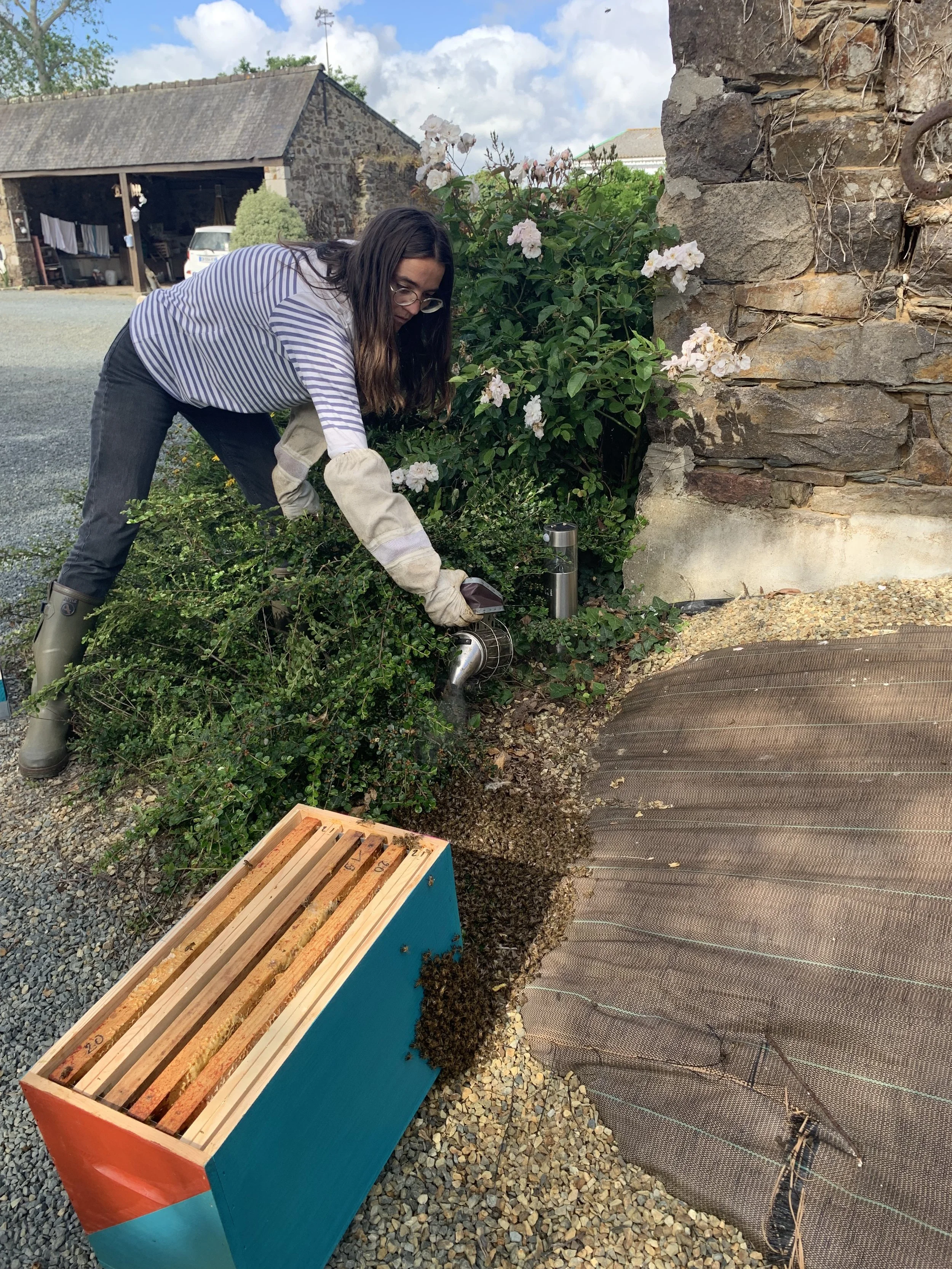
L'abeille noire bretonne, Apis mellifera mellifera, est une espèce endémique et pure aujourd'hui en danger d'extinction. Son berceau d'origine se situe essentiellement en Bretagne, et on la trouve sous sa forme la plus pure sur l'île d'Ouessant, où un écosystème riche et préservé, libre d'agriculture intensive, a protégé sa génétique pendant des générations. Mes propres ruches se trouvent plus loin sur la côte bretonne, à Kermenguy, entretenant la même lignée dans un autre coin de cette même terre.
Son immunité « forte » la rend résistante et puissante, bien adaptée au climat plutôt humide de la Bretagne, et notamment exempte de la contamination par le varroa qui touche tant d'autres populations d'abeilles. Elle est plus petite mais légèrement plus grande que la plupart, avec un abdomen volumineux et une pigmentation sombre qui absorbe plus efficacement la chaleur du soleil, ainsi que de longs poils qui l'aident à transporter le pollen même par mauvais temps. Ses ailes et ses muscles thoraciques sont assez puissants pour lui permettre de travailler malgré le vent et de transporter de lourdes charges de pollen et de nectar. Autour de mon rucher, une flore maritime variée, arrosée par les embruns salés, lui donne un miel exceptionnel.
La terre, et la récolte
La terre que j'entretiens est exempte de pesticides, davantage un parc qu'une exploitation agricole en réalité : arbres fruitiers, haies fleuries, et espaces ouverts que mon père entretient avec un vrai soin, tout cela façonné au fil des années plutôt que planté dans un but unique. Le sarrasin a une longue histoire dans cette partie de la Bretagne, et c'est la plante qui donne son nom à toute cette gamme de miels, bien que je ne le cultive pas moi-même. Certaines années j'en ai planté un peu, d'autres, dont celle-ci, je n'en ai pas planté, et les abeilles butinent simplement le sarrasin qui pousse localement dans la région élargie, dans les champs voisins plutôt que sur mon propre terrain. À ses côtés, une grande variété de plantes et d'arbres mellifères, natifs et exotiques, remplit le reste du terrain, offrant aux abeilles bien plus qu'une seule culture.
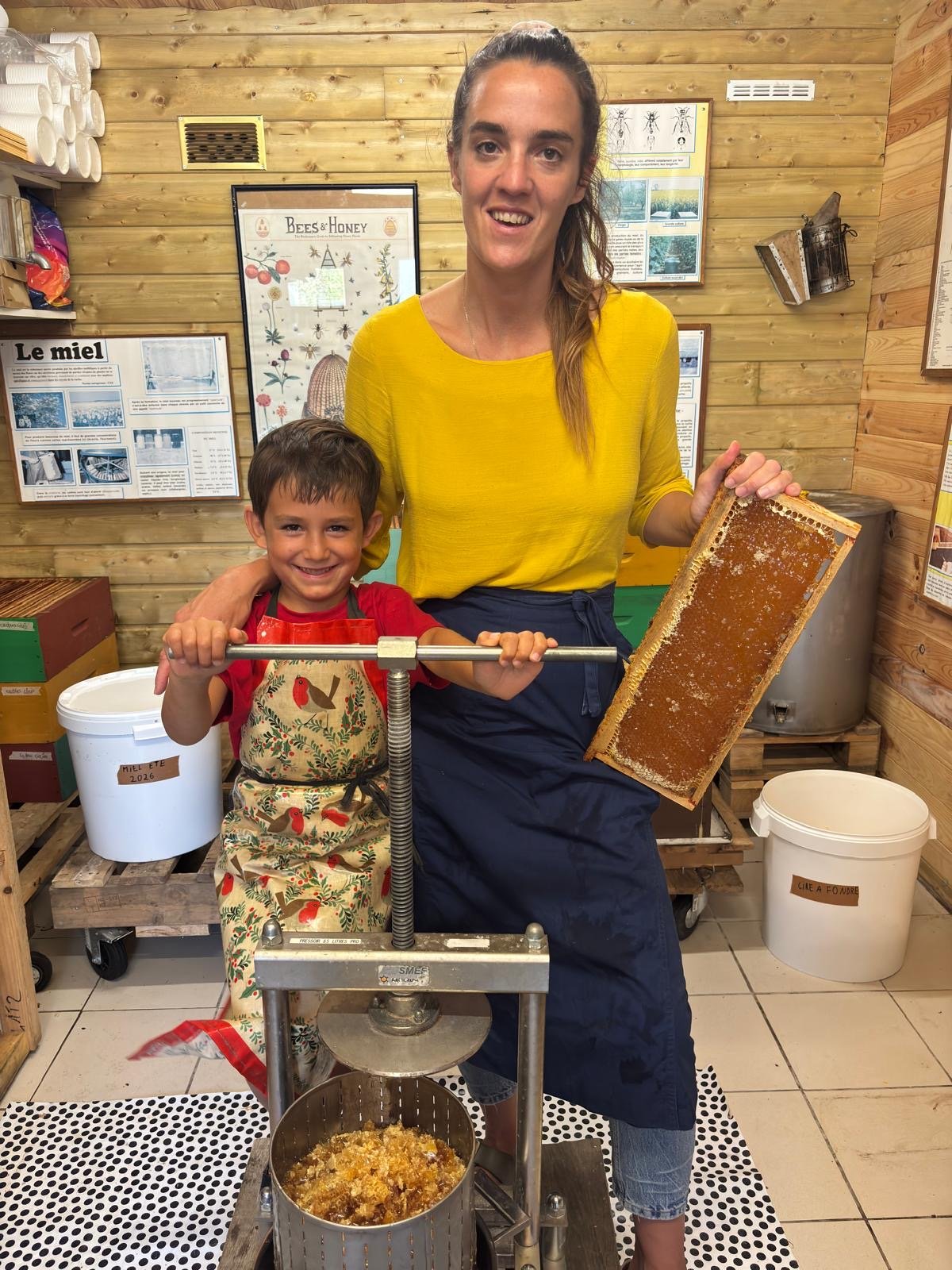
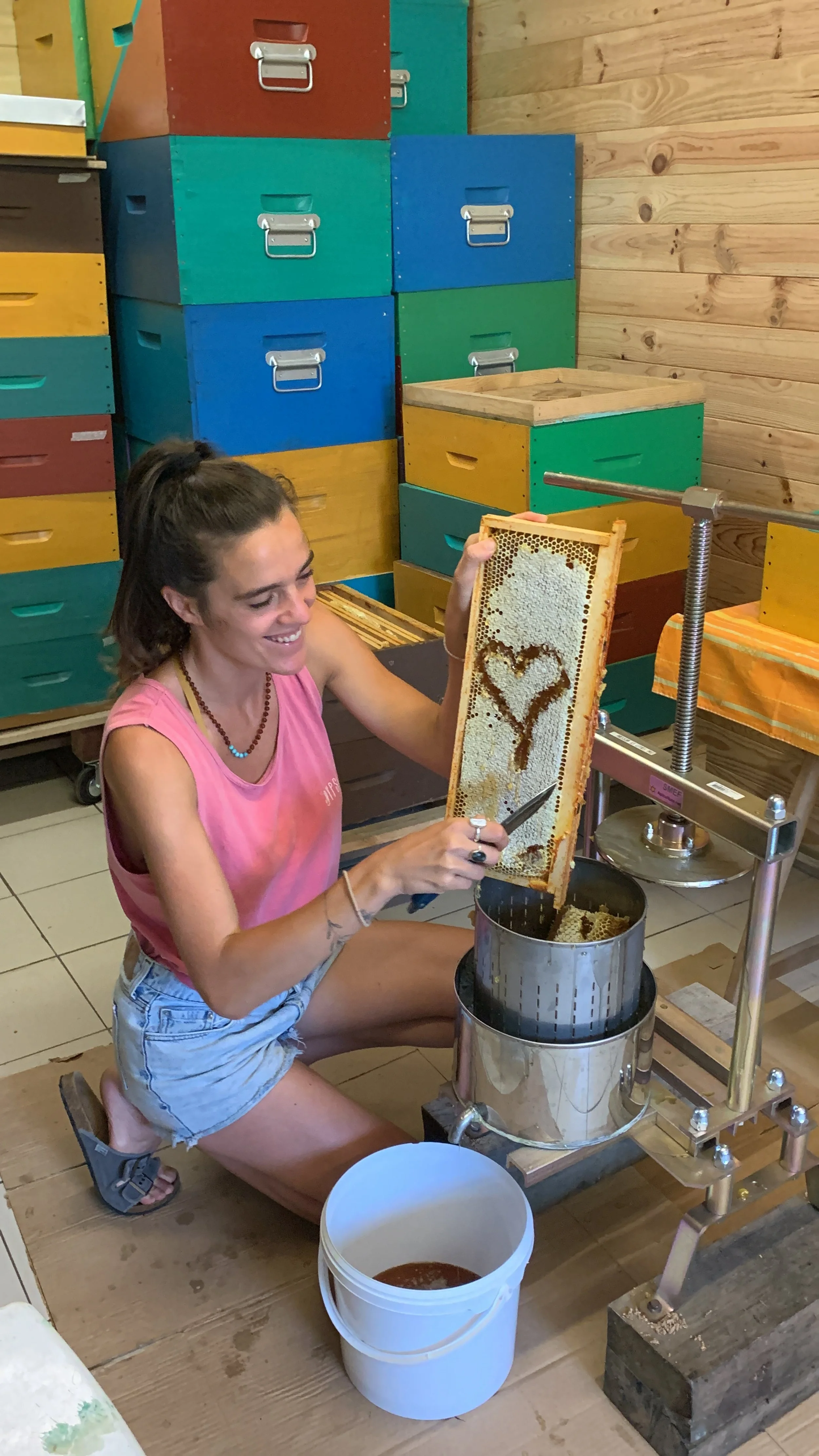
La récolte elle-même a lieu une fois par an, en août, et jamais plus que ce que les ruches peuvent aisément se permettre de donner. J'utilise une presse à froid pour extraire le miel, une méthode ancestrale qui préserve tout son caractère plutôt que de le précipiter à travers un équipement plus rapide et plus efficace. C'est un travail lent et réfléchi : une seule récolte, une fois par saison, plutôt que les multiples extractions sur lesquelles s'appuient de nombreux producteurs pour maximiser le rendement. La récompense de cette cette patience est un miel riche et vivant, qui vaut chaque heure et chaque mois passés à l'attendre.
Un calendrier écrit dans les fleurs
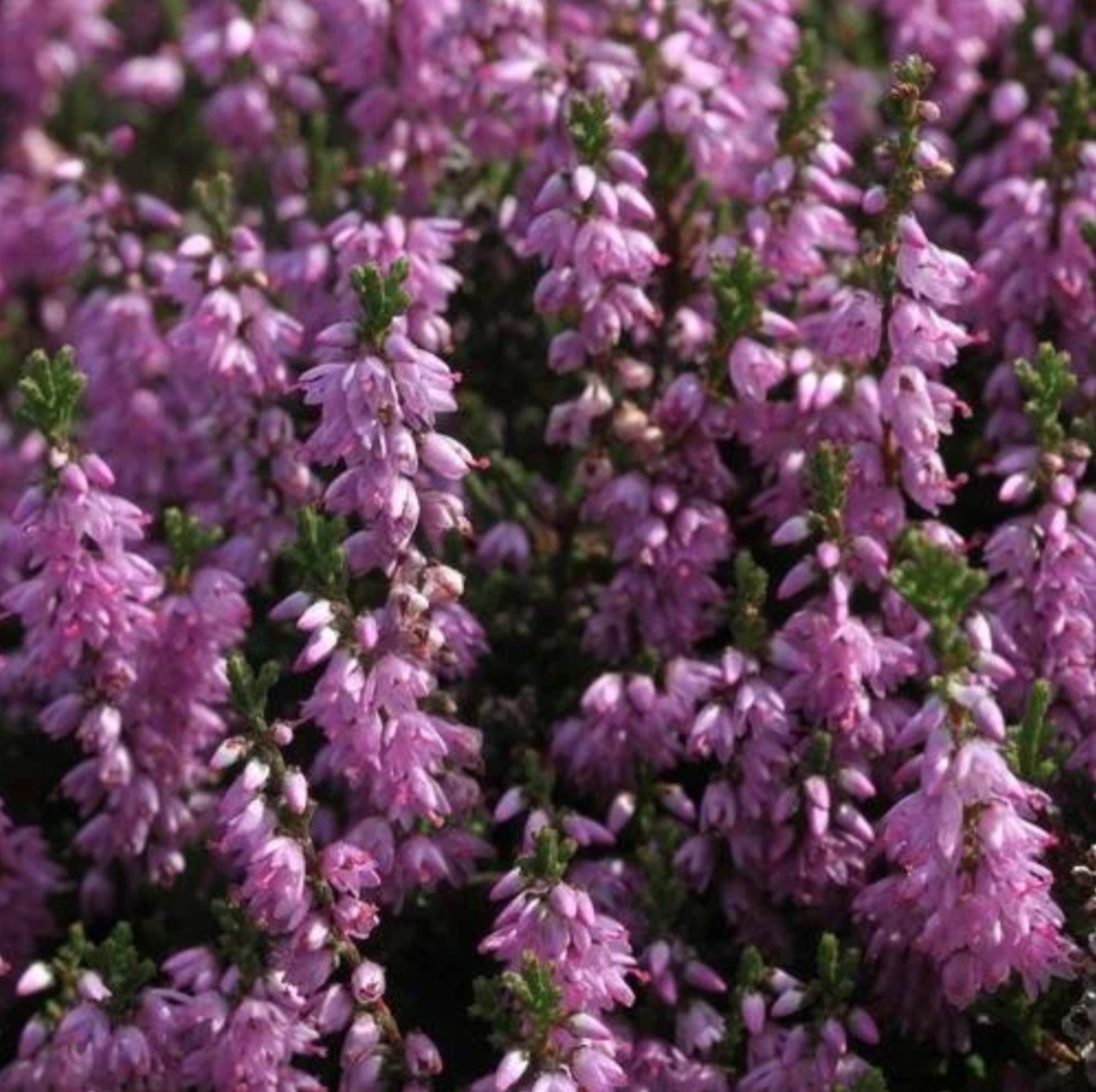
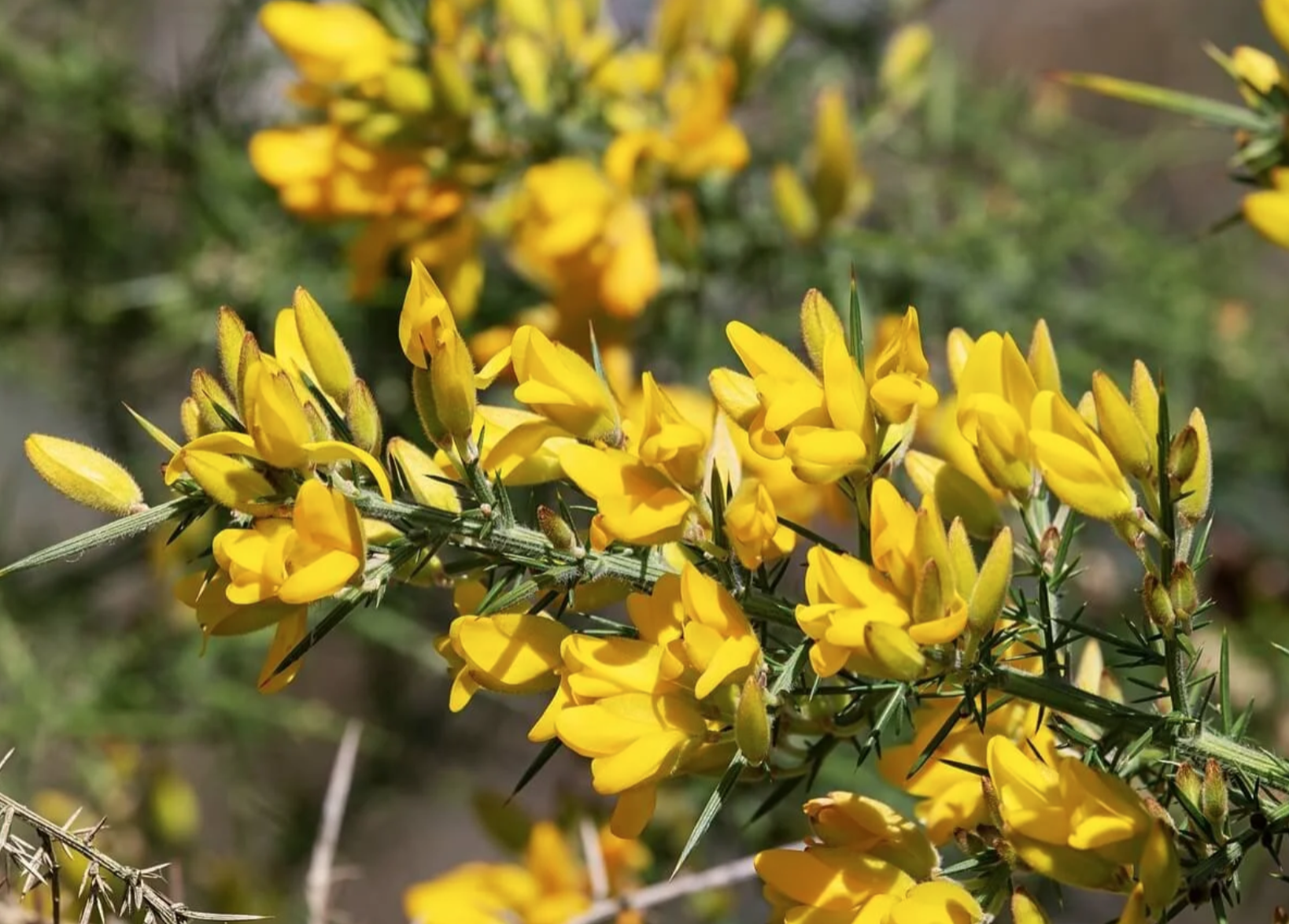
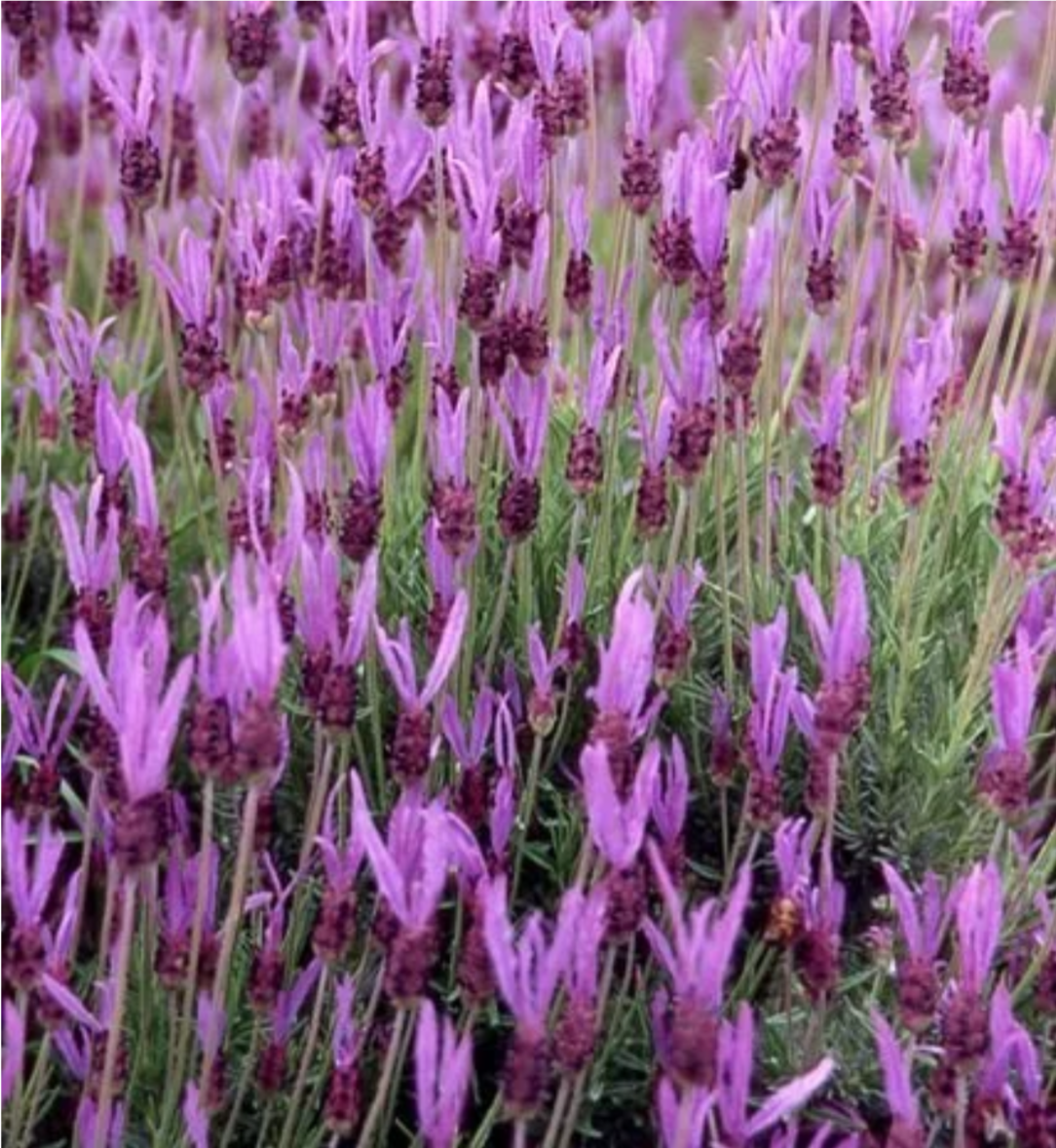
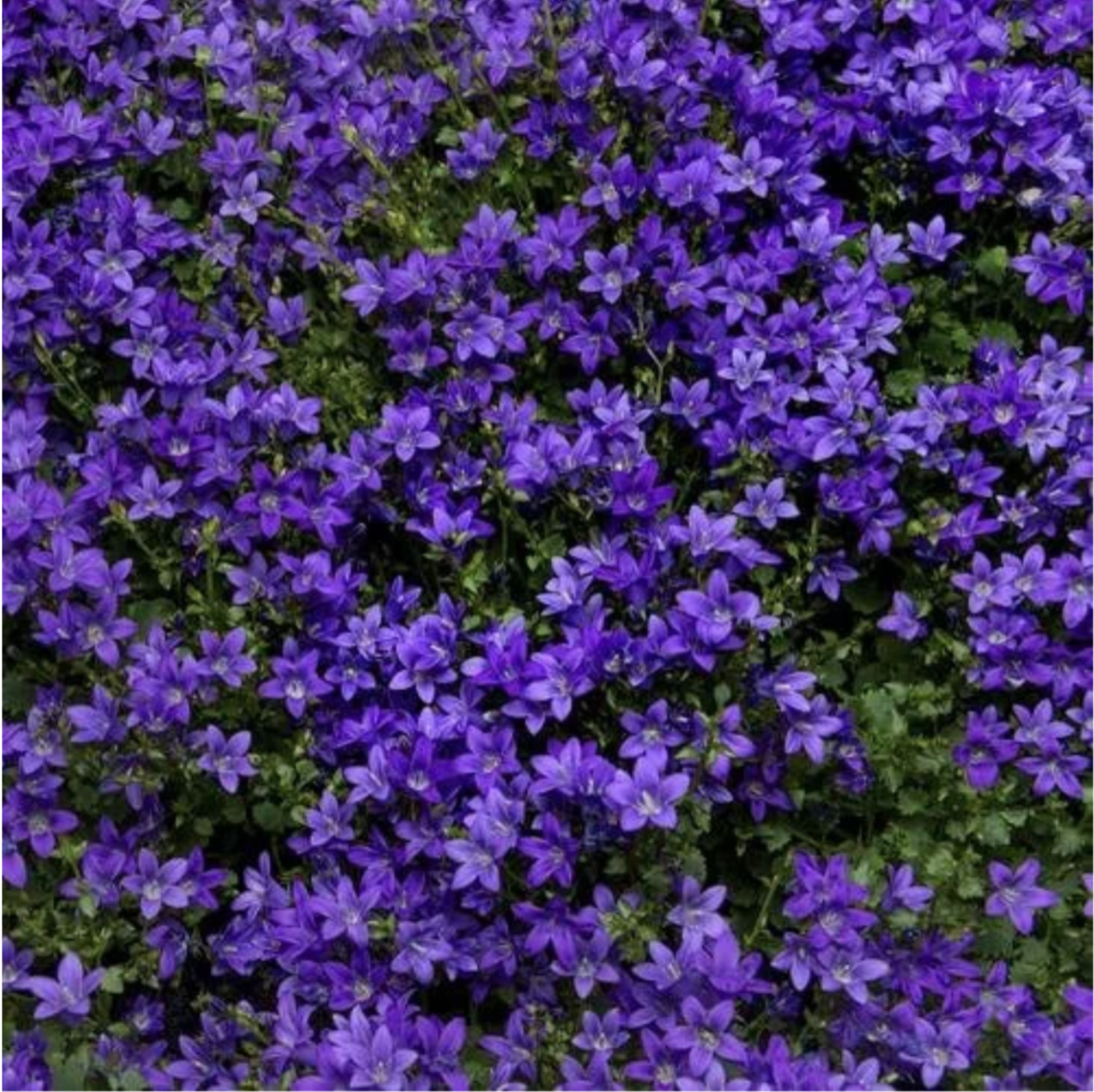
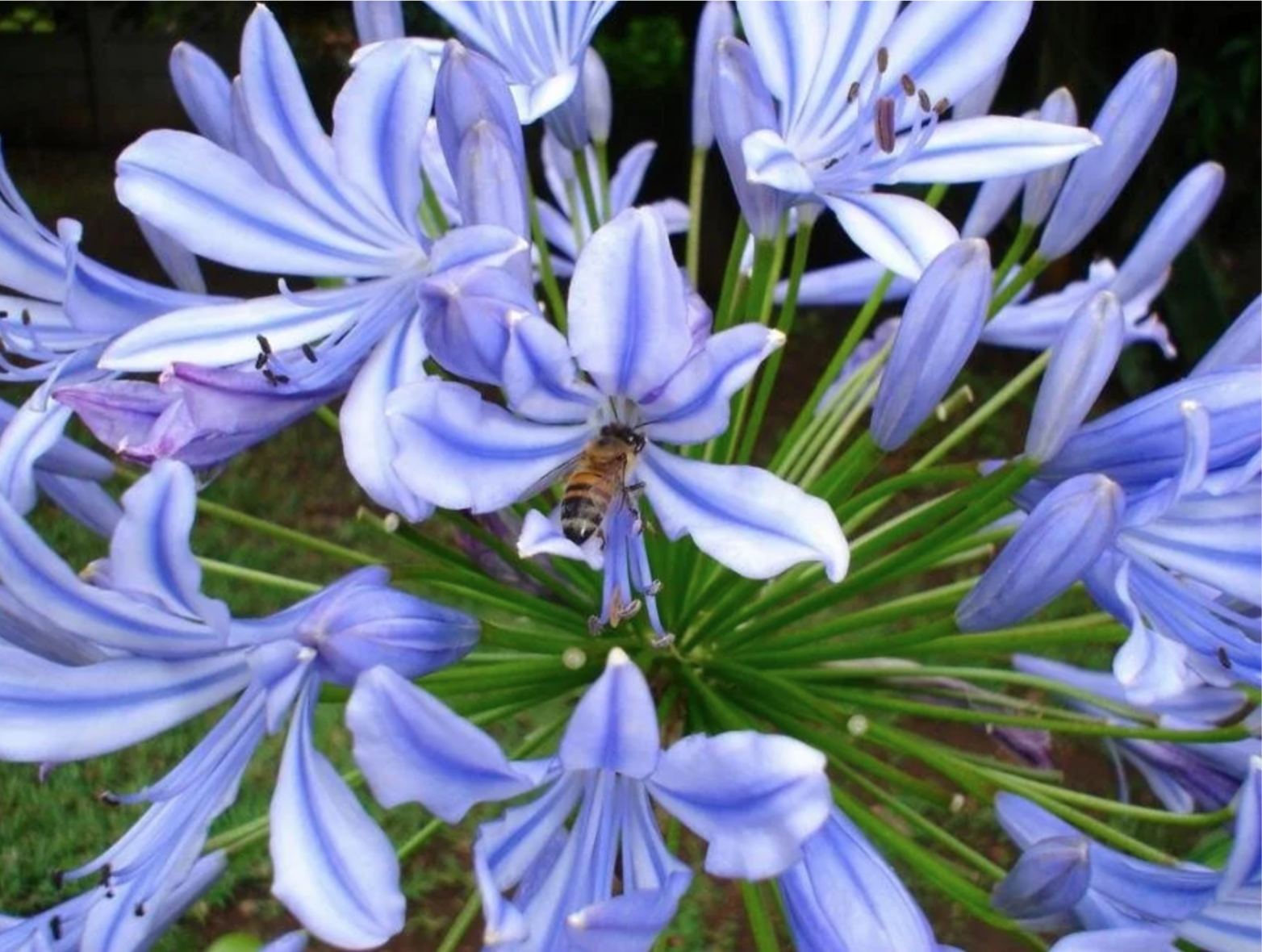
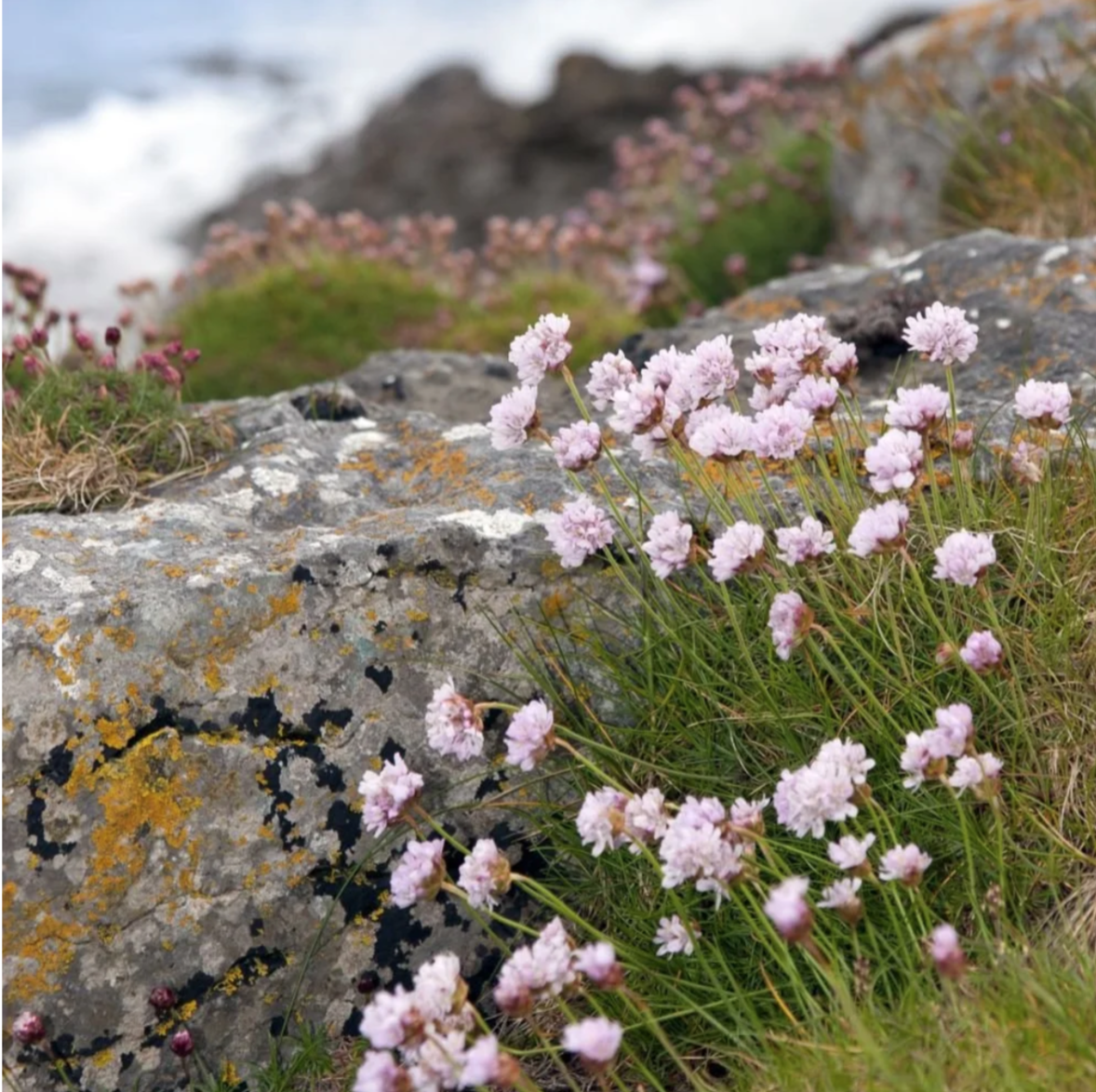
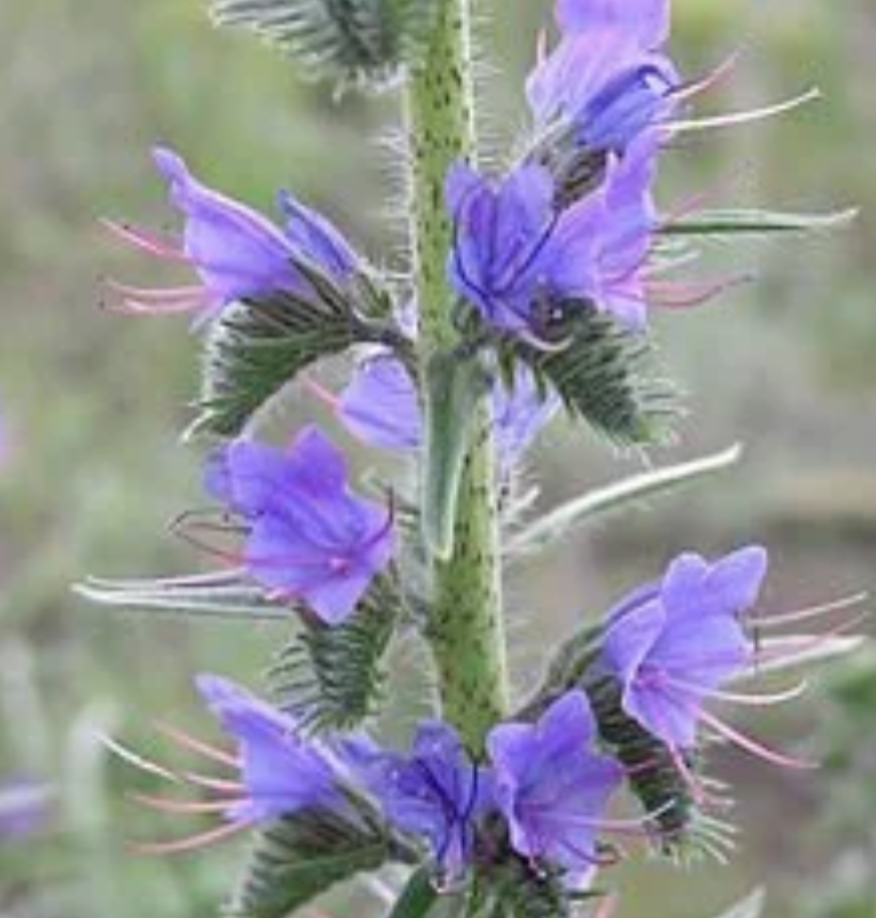
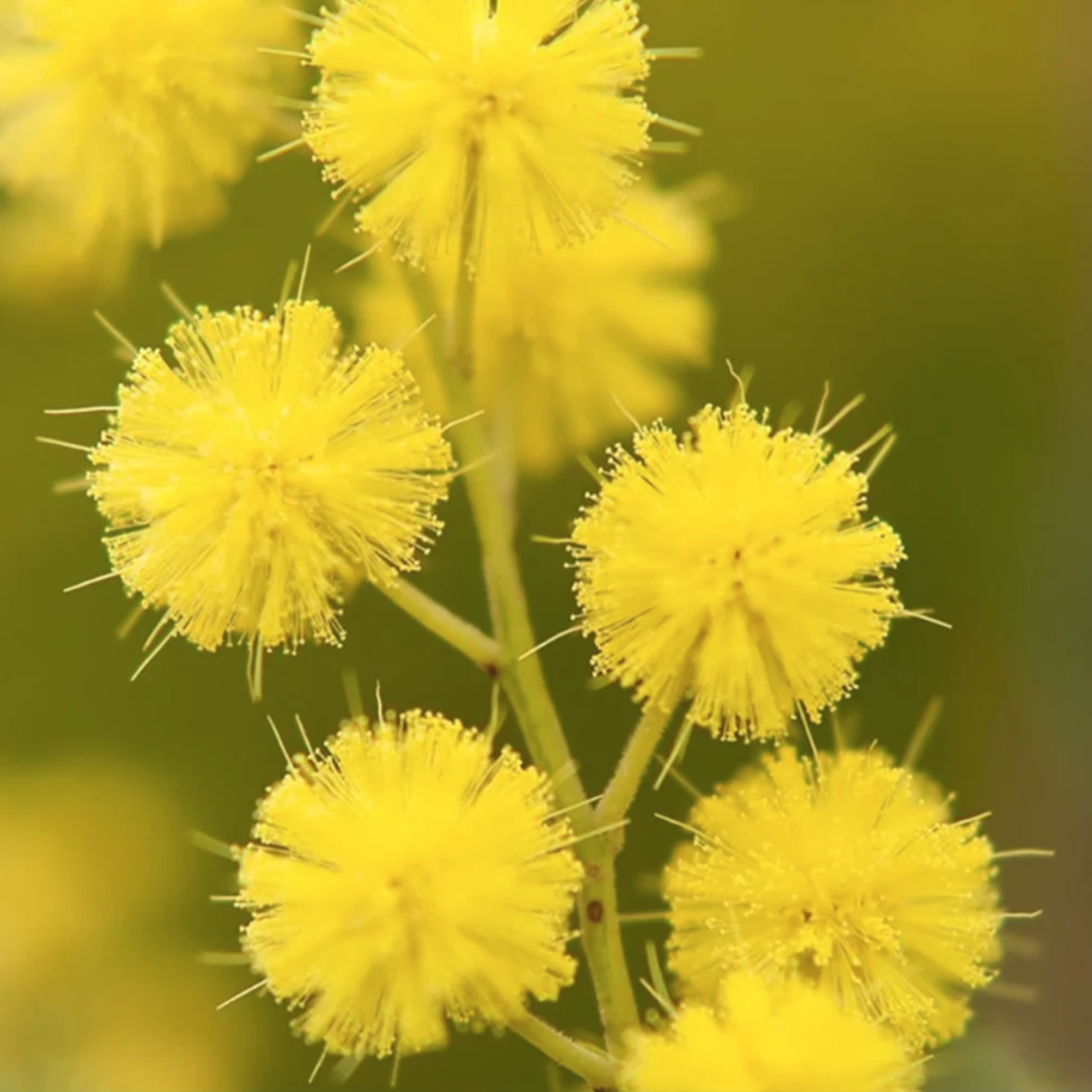
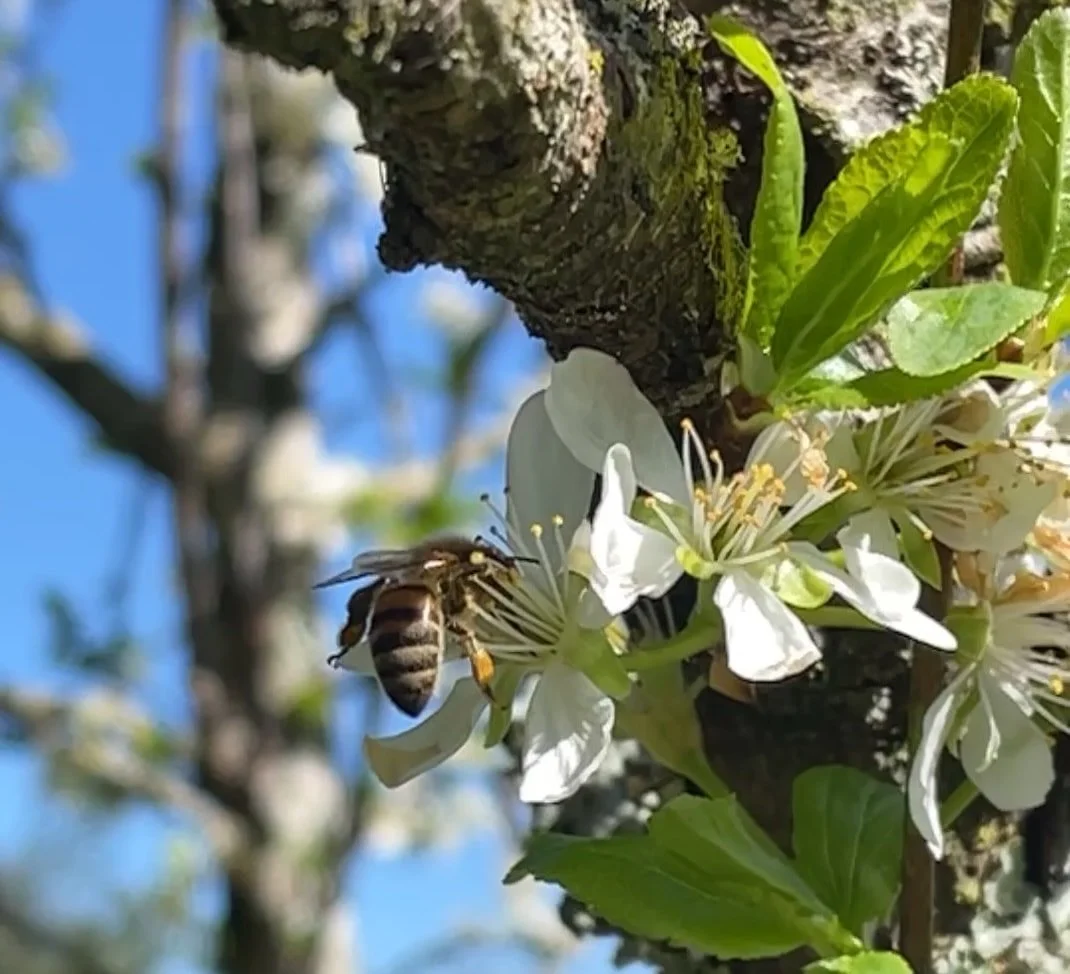
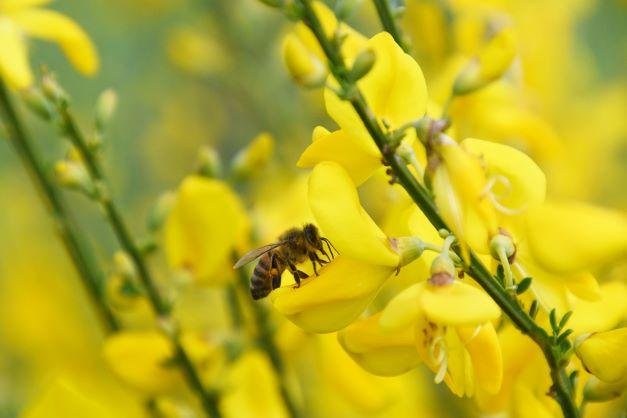
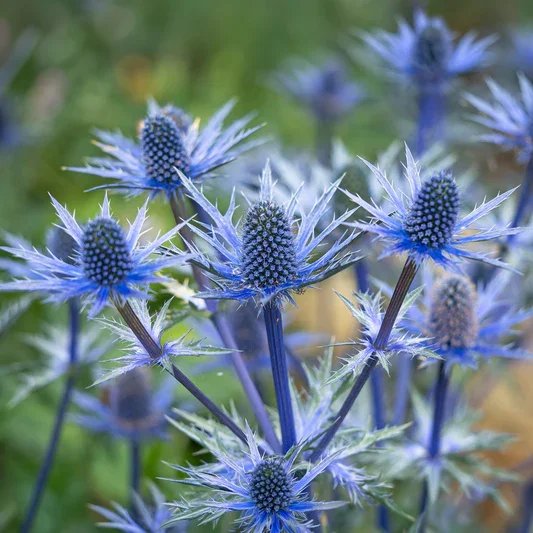
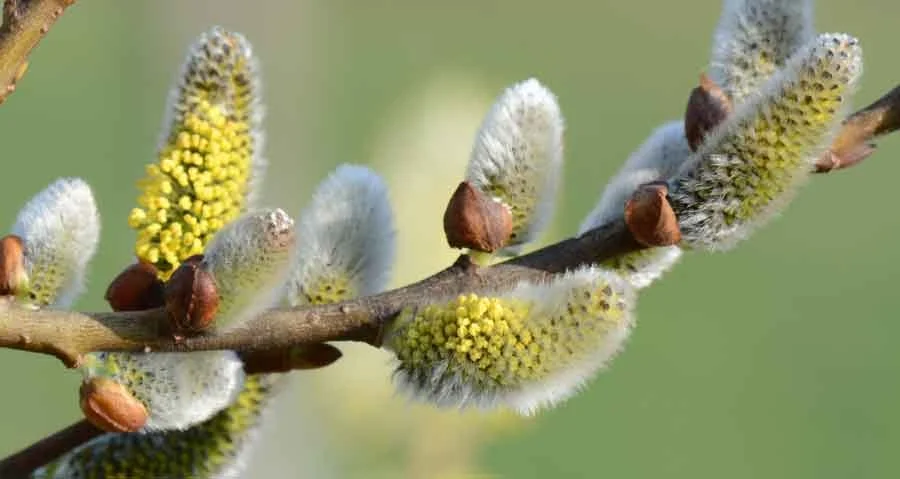
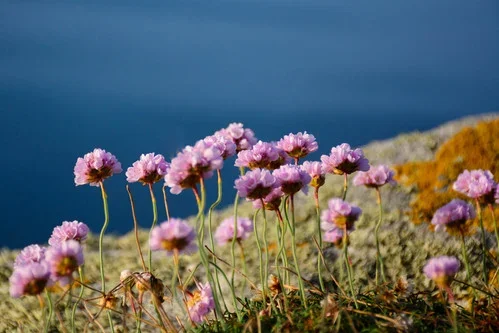
Au-delà de la récolte elle-même, il existe tout un calendrier écrit dans les fleurs. Avant que presque tout le reste ne se réveille, les pissenlits percent le sol durci par le gel, offrant à la fois nectar et pollen en quantité réelle au moment précis où une ruche sortant de l'hiver en a le plus besoin, une plante que la plupart des gens considèrent comme une mauvaise herbe, mais qui accomplit l'un des travaux les plus importants de toute l'année. Les chatons de saule et la fleur de prunellier suivent de près pendant les mois froids, quand peu d'autres plantes offrent quoi que ce soit. L'ajonc et le genêt prennent le relais au printemps, peignant les haies et les chemins côtiers d'un jaune éclatant qui dure des semaines. Au début de l'été, la ronce et le trèfle blanc comblent les vides, plantes humbles et sans éclat qui nourrissent pourtant une ruche pendant certaines de ses semaines les plus chargées. Vient ensuite le vrai tournant de la saison : les châtaigniers fleurissant brièvement en juin, les agapanthes et la lavande s'ouvrant en juillet et août, le panicaut maritime portant ses étranges têtes chardonnées bleu argenté le long des dunes côtières, et le sarrasin, la plante qui donne son nom à tout ce miel, se répandant dans les champs en une brume blanche. La buglosse et le thym se glissent tout au long de la même période, bas au sol et faciles à négliger, bien que les abeilles ne les manquent jamais. À la fin de l'été, la bruyère prend la scène à son tour, teintant des collines entières de cette nuance particulière de rose violacé qui annonce l'approche de l'automne. Et tout au long de cela, la campanule fleurit le long des murs et des bordures de jardin, ajoutant un fil de plus à un calendrier que les abeilles suivent avec une précision qu'aucun apiculteur ne pourrait jamais imposer de l'extérieur. Aucune de ces plantes n'existe pour les abeilles seules. C'est simplement ce qui pousse ici, dans son propre ordre, en son temps, et le miel est ce qui reste une fois que les abeilles ont parcouru tout cela, saison après saison, presque sans jamais vraiment s'arrêter.
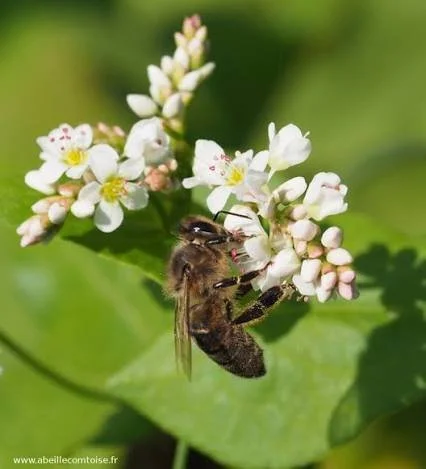
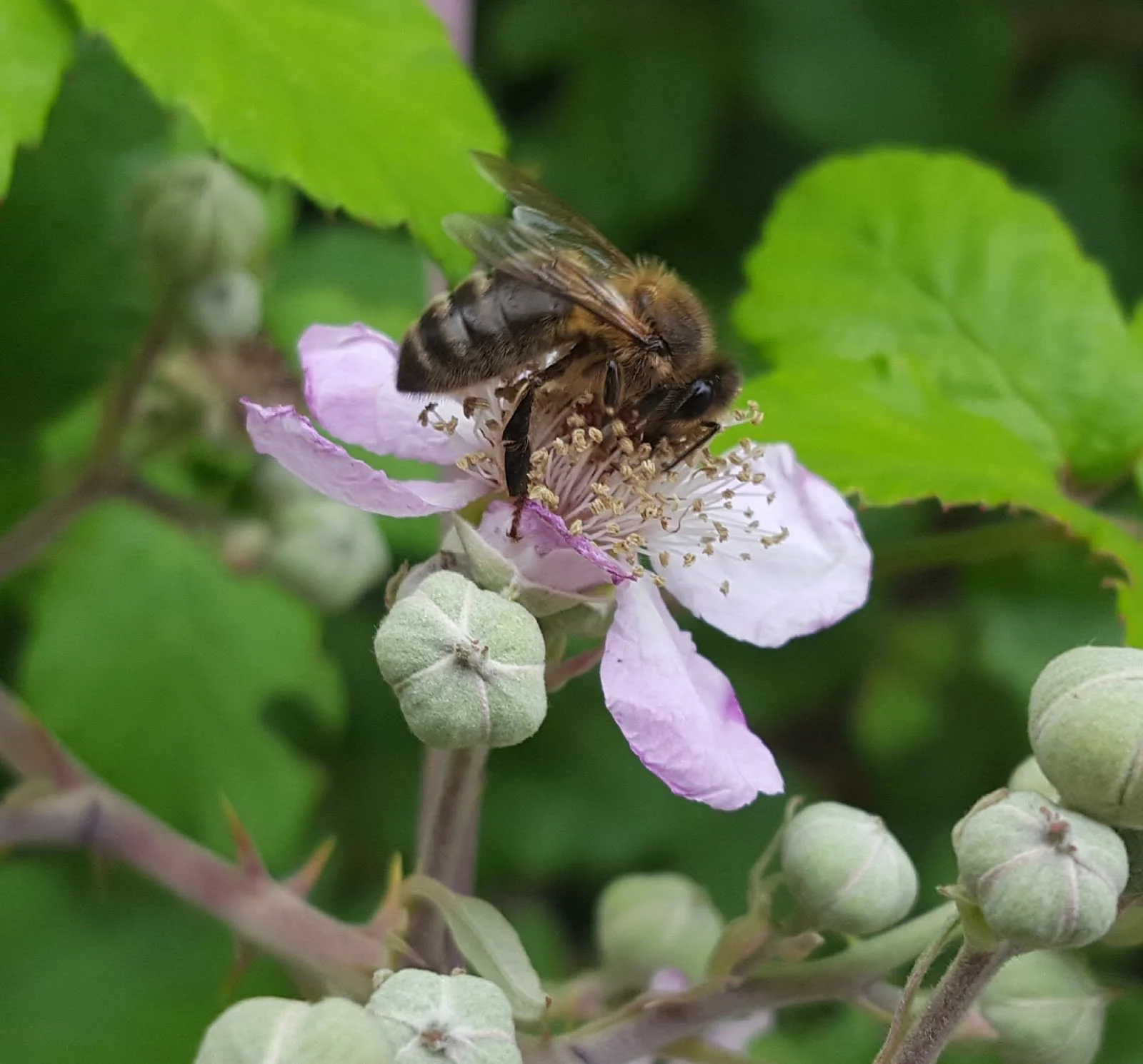
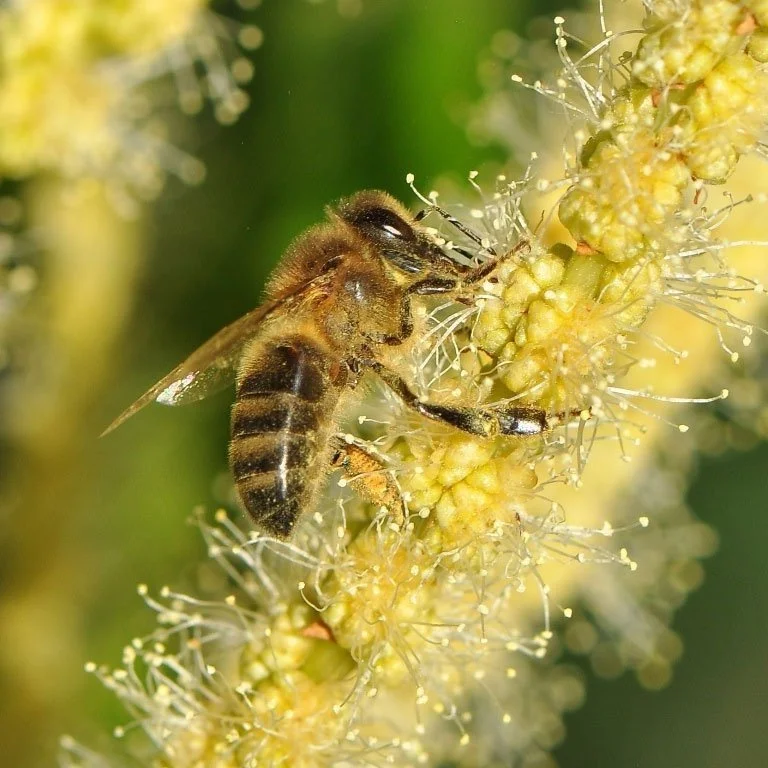
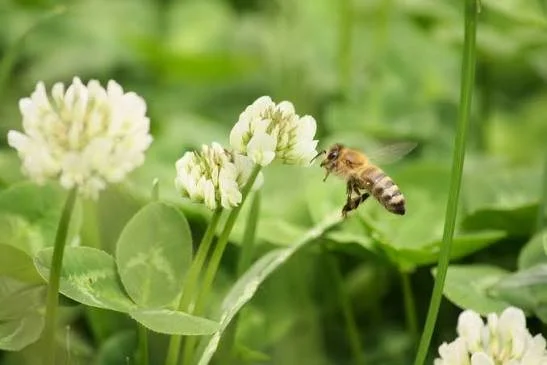
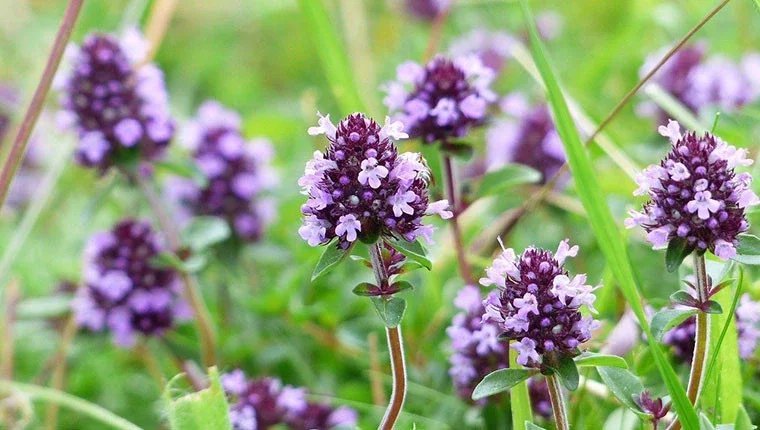
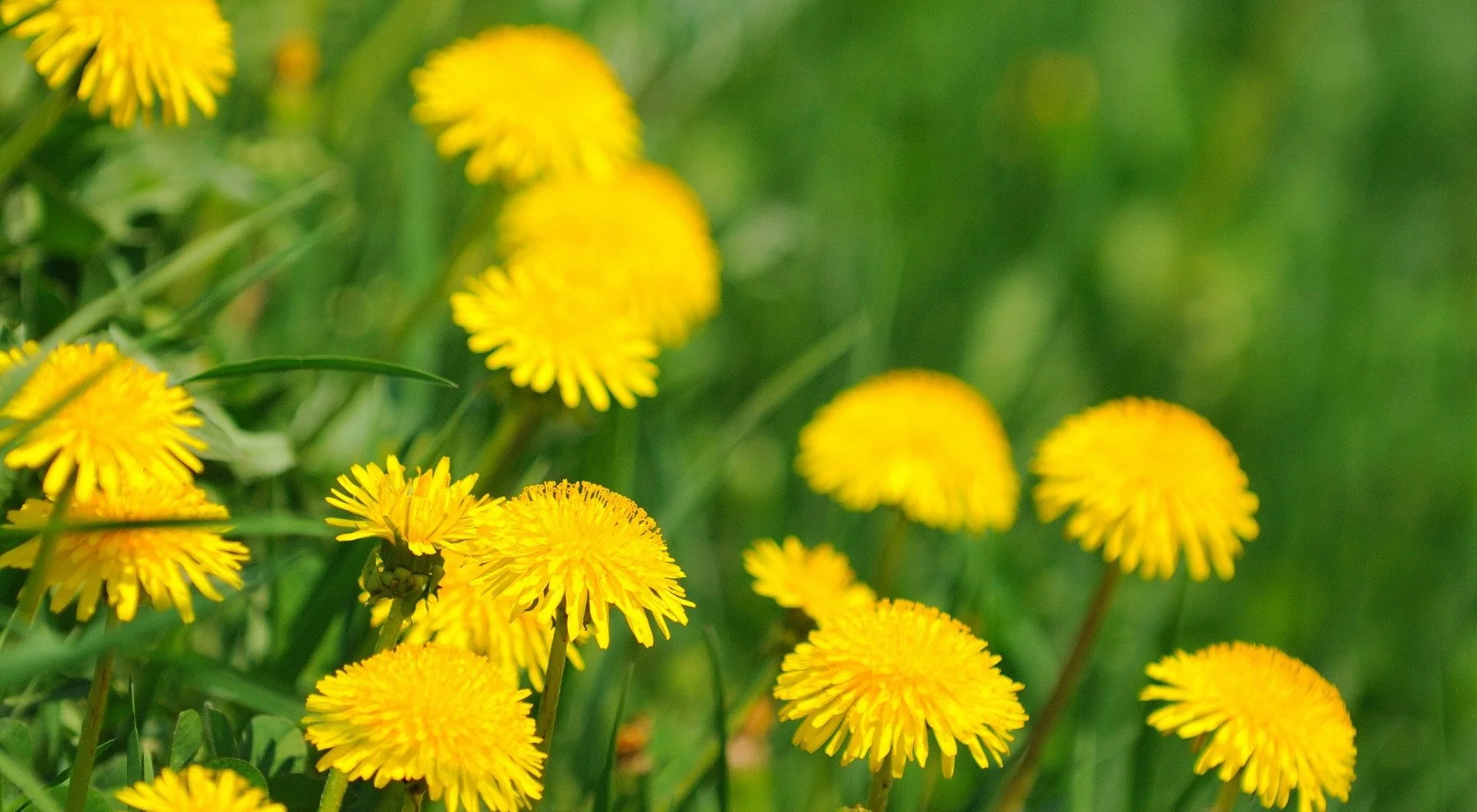
Cette magnifique abeille noire, souvent qualifiée d'agressive par les apiculteurs français comparée à sa cousine bien plus populaire et génétiquement sélectionnée, la Buckfast anglaise, est en réalité une espèce pure incroyable qui m'a montré son incroyable capacité de développement, son dynamisme et son adaptabilité.
Sa seule exigence est de pouvoir évoluer dans une nature préservée où elle peut exprimer pleinement ses capacités, ayant une forte aversion pour les cultures (comme le colza) et une nette préférence pour la flore sauvage. Véritable marin robuste, lors de ses expéditions de prospection à la recherche de pollen, elle est capable de voler jusqu'à 10 kilomètres au lieu de la moyenne de trois ! Autre fait intéressant : la reine de l'abeille noire peut vivre jusqu'à 8 ans quand sa cousine européenne atteint difficilement les 4 ans.

Miel Breton : Pressé à Froid, Brut et Non Filtré

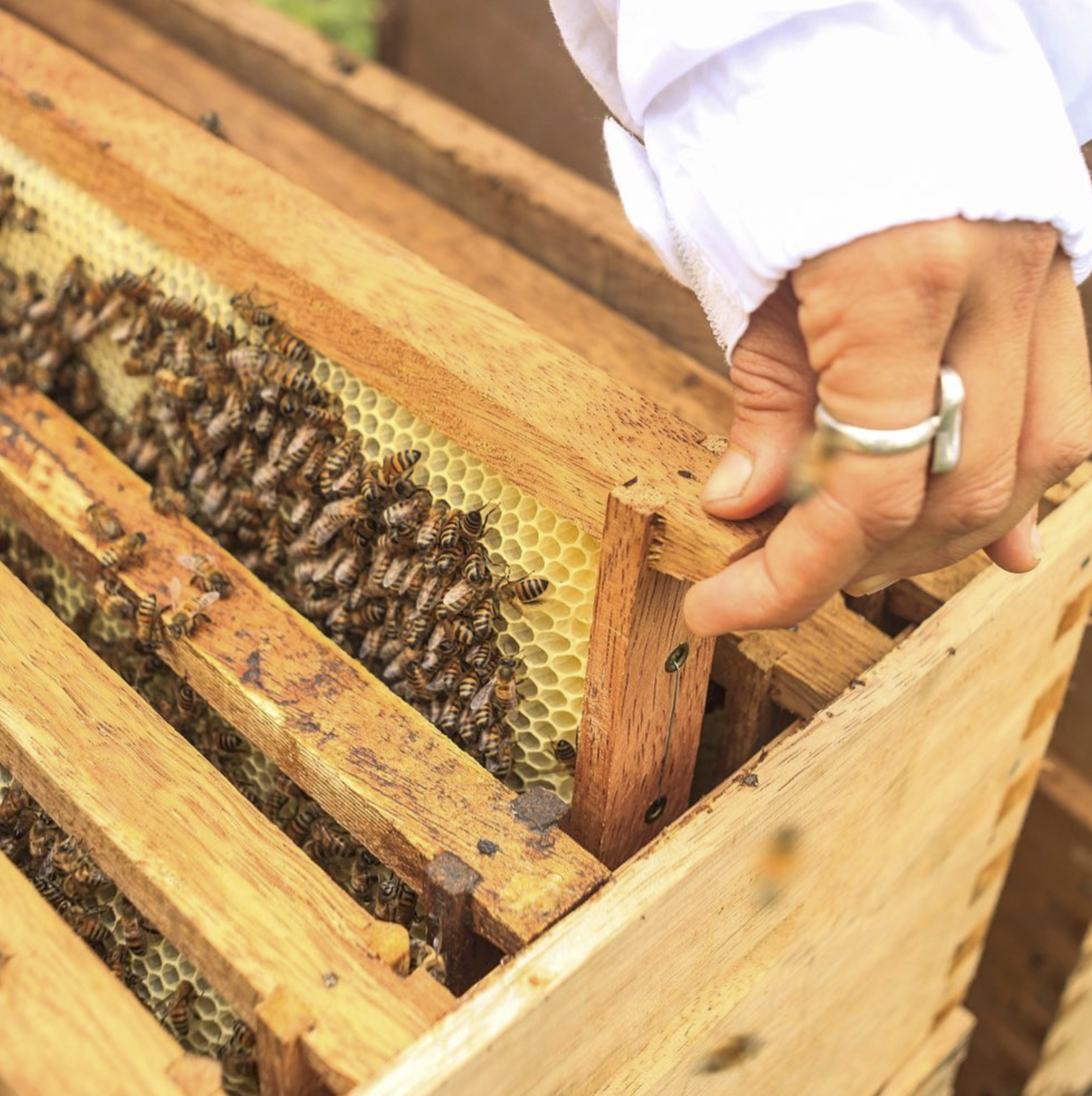
Tout droit de la Nature : Un microcosme vivant
Le miel brut pressé à froid contient typiquement : des grains de pollen des fleurs butinées par les abeilles cette saison, de petites quantités de propolis, la résine que les abeilles utilisent pour sceller la ruche, des traces de cire d'abeille, et les enzymes que les abeilles ajoutent pendant la transformation, principalement l'invertase et la diastase, qui convertissent le saccharose du nectar en sucres plus simples présents dans le miel. Il porte aussi des traces de minéraux, d'acides aminés et d'acides organiques absorbés des plantes et du sol environnants, en petites quantités naturelles, ainsi qu'un faible pourcentage d'eau qui varie selon la saison et le moment de la récolte.
Rien de tout cela n'est ajouté après coup. C'est simplement ce qui reste présent dans un miel qui n'a été ni chauffé ni filtré.
Pourquoi le pressage à froid ?
Le pressage à froid et l'extraction centrifuge sont des procédés mécaniquement différents, et ils produisent par nature des résultats différents.
L'extraction centrifuge, méthode commerciale standard, fait tourner à grande vitesse des cadres de rayons désoperculés à l'intérieur d'un tambour, utilisant la force centrifuge pour projeter le miel hors des cellules tout en laissant la structure du rayon de cire largement intacte, ce qui permet aux abeilles de le réutiliser.
Le pressage à froid fonctionne différemment : le rayon entier, cire, miel et tout le cadre, est directement pressé, ce qui détruit le rayon dans le processus et donne globalement moins de miel par rapport à la quantité de rayon utilisée, une partie du miel restant piégée dans des fragments de cire que l'extraction centrifuge ne perdrait pas.
La température est l'autre différence majeure. Le miel commercial est fréquemment chauffé, souvent entre 40°C et 70°C, pour réduire sa viscosité afin qu'il s'écoule facilement à travers les équipements industriels de filtration et de mise en bouteille, et pour ralentir ou empêcher la cristallisation naturelle, que de nombreux acheteurs associent à une qualité inférieure alors qu'il s'agit d'une propriété normale du miel brut. Ce chauffage affecte mesurablement la composition : la diastase et l'invertase, les deux enzymes que les abeilles ajoutent lors de la transformation du nectar, se dégradent progressivement sous l'effet de la chaleur, et l'activité de la diastase en particulier est utilisée comme indicateur de laboratoire reconnu du degré de chauffage d'un miel, un miel frais et non chauffé montrant une activité enzymatique plus élevée qu'un miel réchauffé pour la transformation.
La vitesse de rotation elle-même a un coût. L'essorage centrifuge génère de la friction et de la chaleur localisée au moment où le miel est projeté hors des alvéoles, suffisamment pour fragiliser certaines des enzymes et vitamines les plus sensibles qu'il contient. Cette agitation expose aussi le miel à l'air de façon plus intense, ce qui favorise son oxydation au moment même de l'extraction.
La filtration accentue encore ce phénomène. La filtration fine, standard dans la plupart des productions commerciales de miel, est capable d'éliminer la grande majorité des grains de pollen du produit final, au point qu'un miel ultra-filtré peut devenir difficile à retracer jusqu'à son origine géographique ou florale, le taux de pollen étant l'un des principaux moyens de vérifier scientifiquement l'origine d'un miel.
Le miel pressé à froid saute entièrement cette étape, si bien que le pollen, ainsi que de petites quantités de cire et de propolis, reste présent dans le pot plutôt que d'être filtré. Et enfin, presser le miel est un moment sacré de récolte joyeuse, une belle activité que je partage avec mes fils et qui leur apprend la patience, la présence et la concentration, sans oublier qu'elle apporte aussi énormément de joie, d'amour et de sourires !
Curieuse de le goûter par vous-même ? Vous trouverez chaque pot, ainsi que nos bougies en cire d'abeille façonnées à la main, prêts à ramener un peu de cette joie chez vous, dans la Boutique.
Transmettre : L'Apiculture pour les Écoles Locales
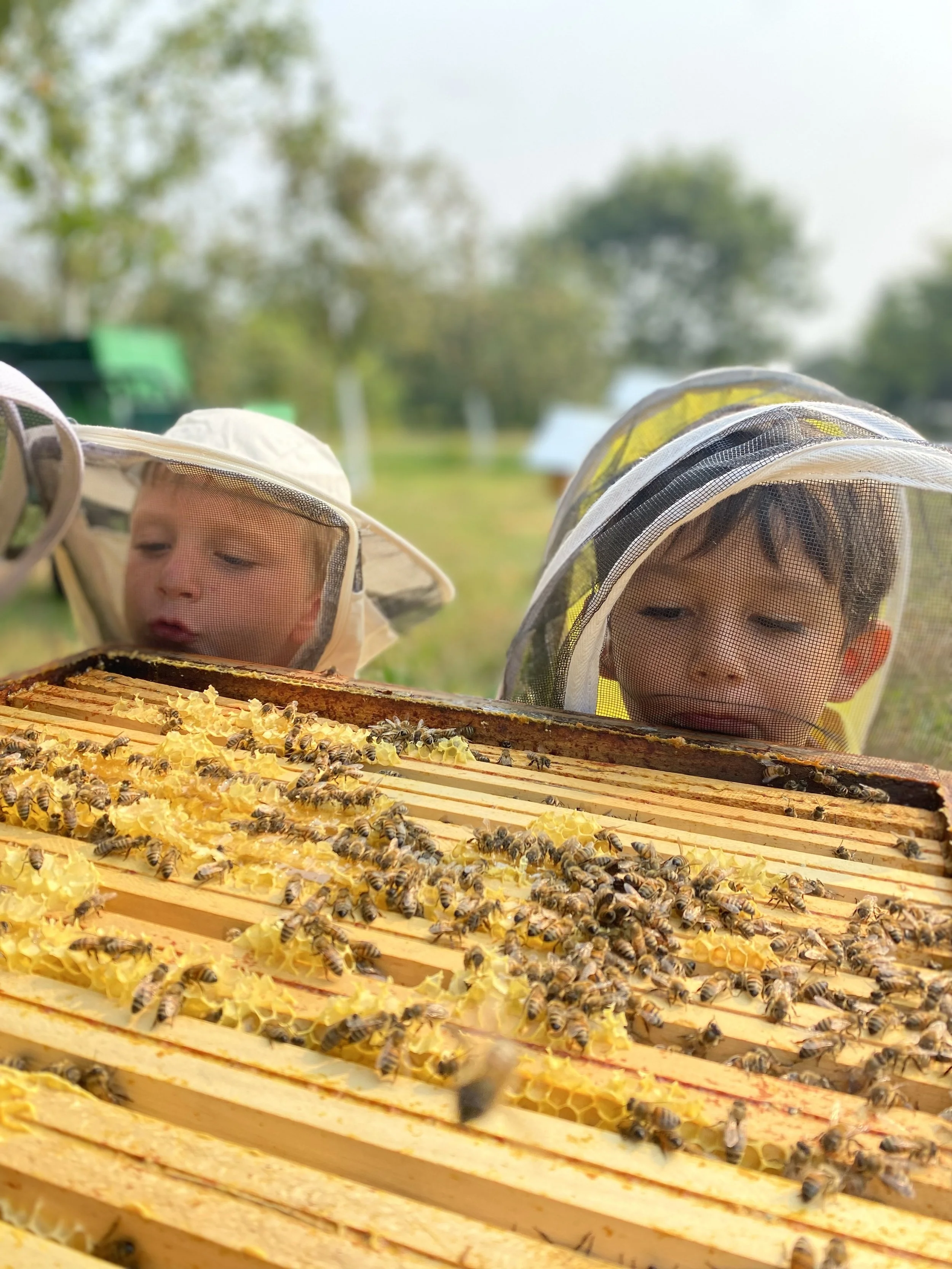
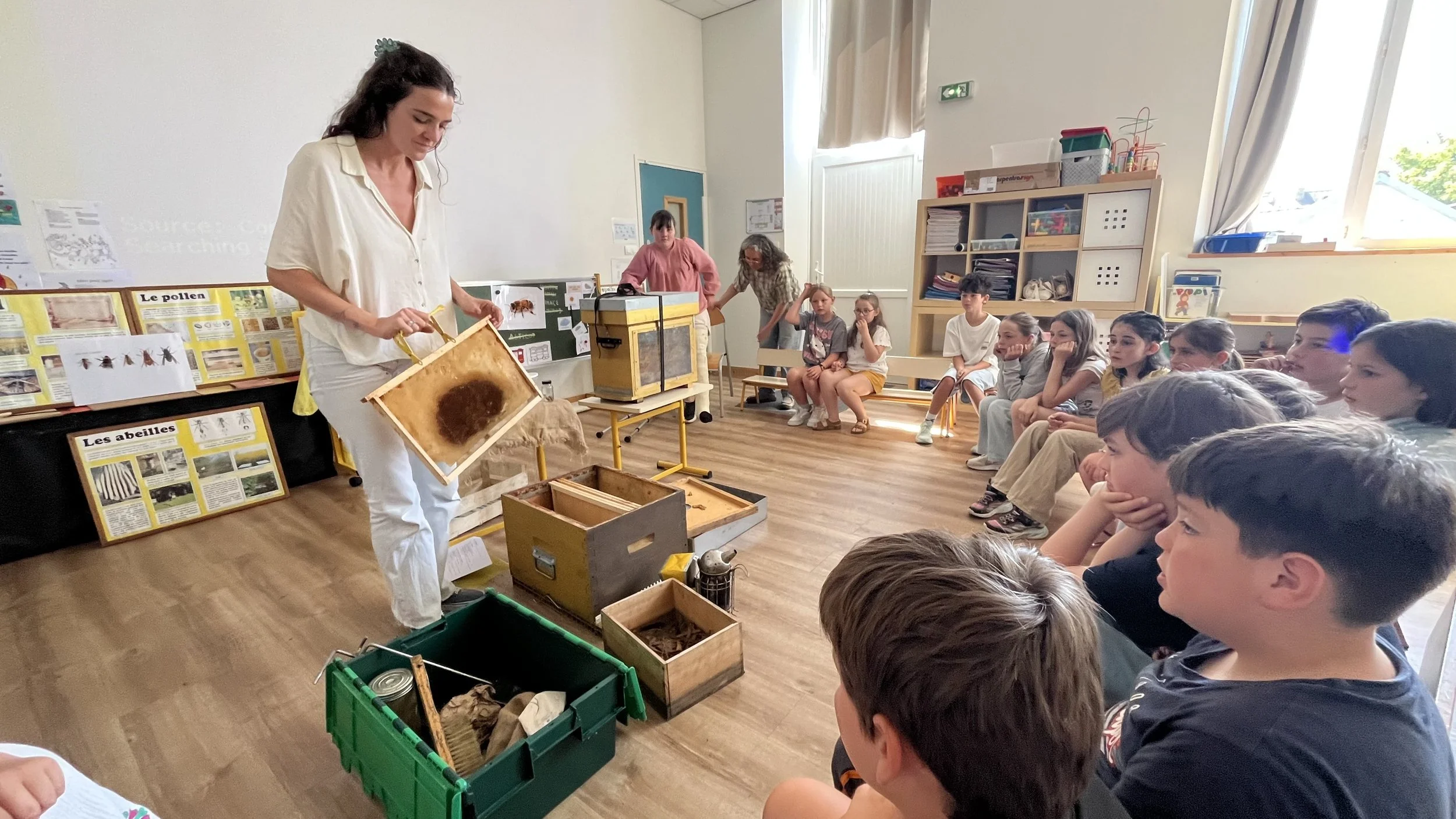
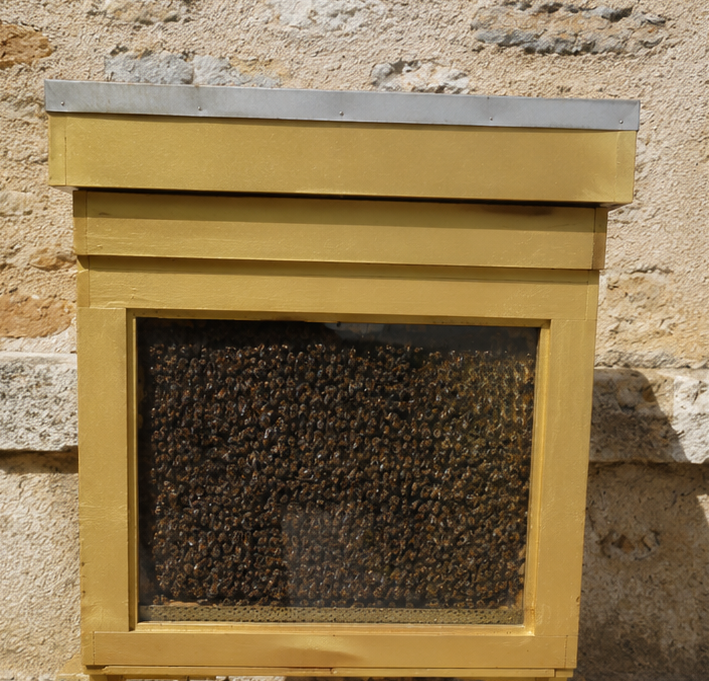
Kermenguy est devenu bien plus qu'un lieu de travail. C'est ici que j'ai commencé à réfléchir à ce que veut dire transmettre. J'aime mettre les enfants en contact avec les ruches, non pas pour en faire nécessairement des apiculteurs, mais pour leur offrir une vraie rencontre, incarnée, avec ce qu'est un système vivant : patience, attention, réciprocité.
Je propose déjà un programme d'initiation à l'apiculture pour les écoles de la région, pour que d'autres enfants des Côtes-d'Armor vivent ce que j'ai vécu la première fois que j'ai vraiment vu une ruche. Si votre école est intéressée par une session, contactez-moi et nous verrons ensemble le calendrier et le coût.
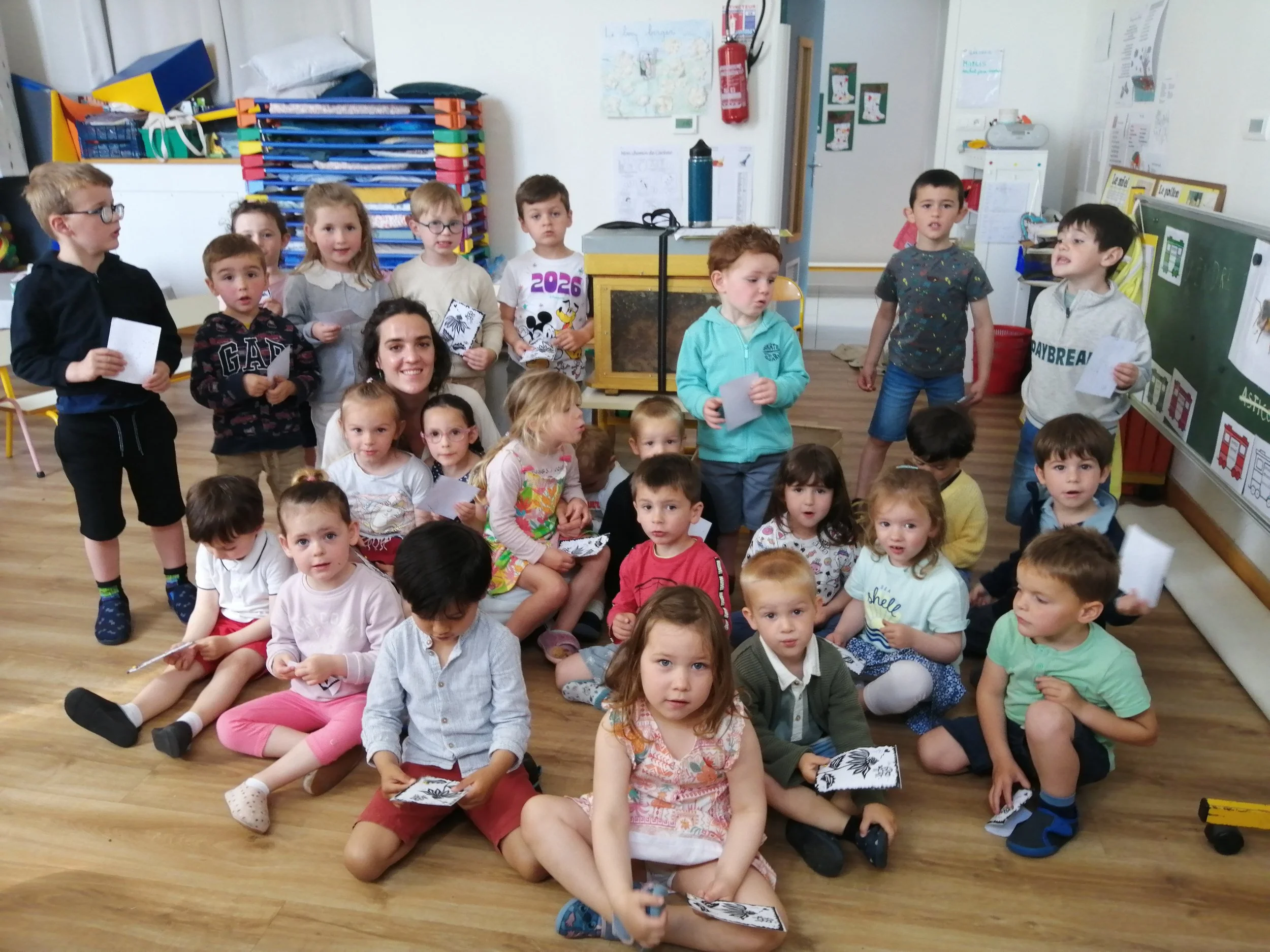
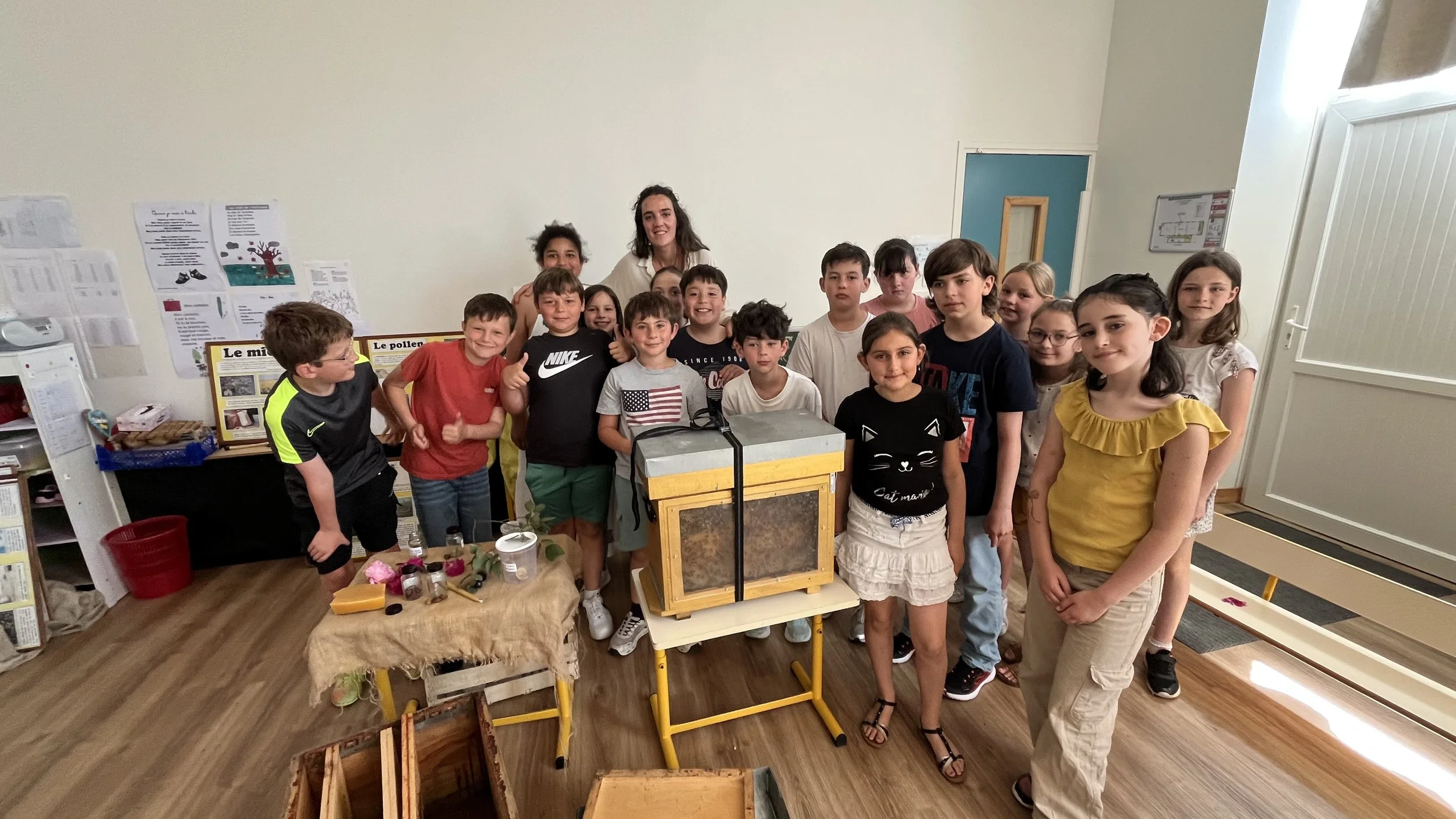
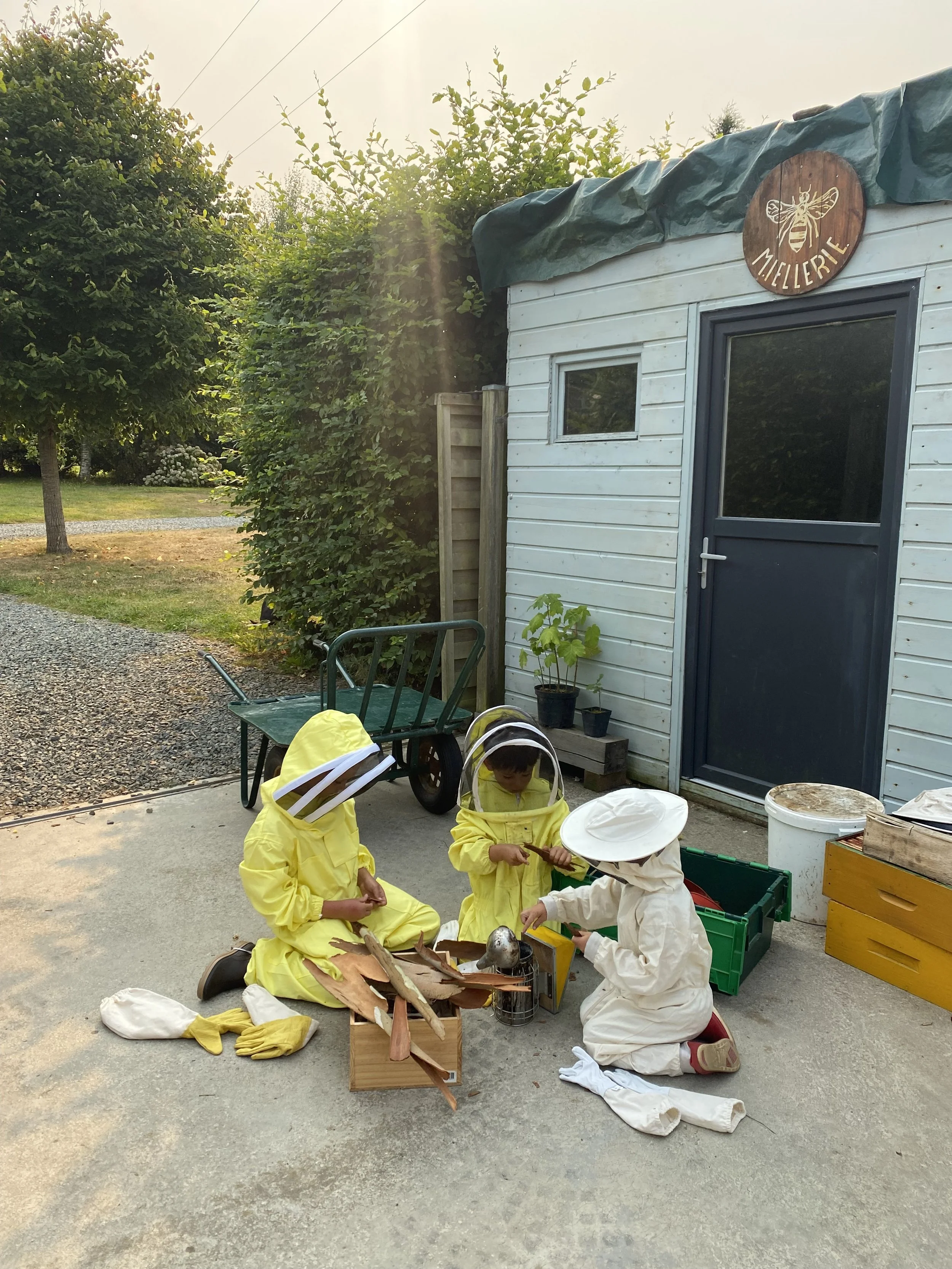
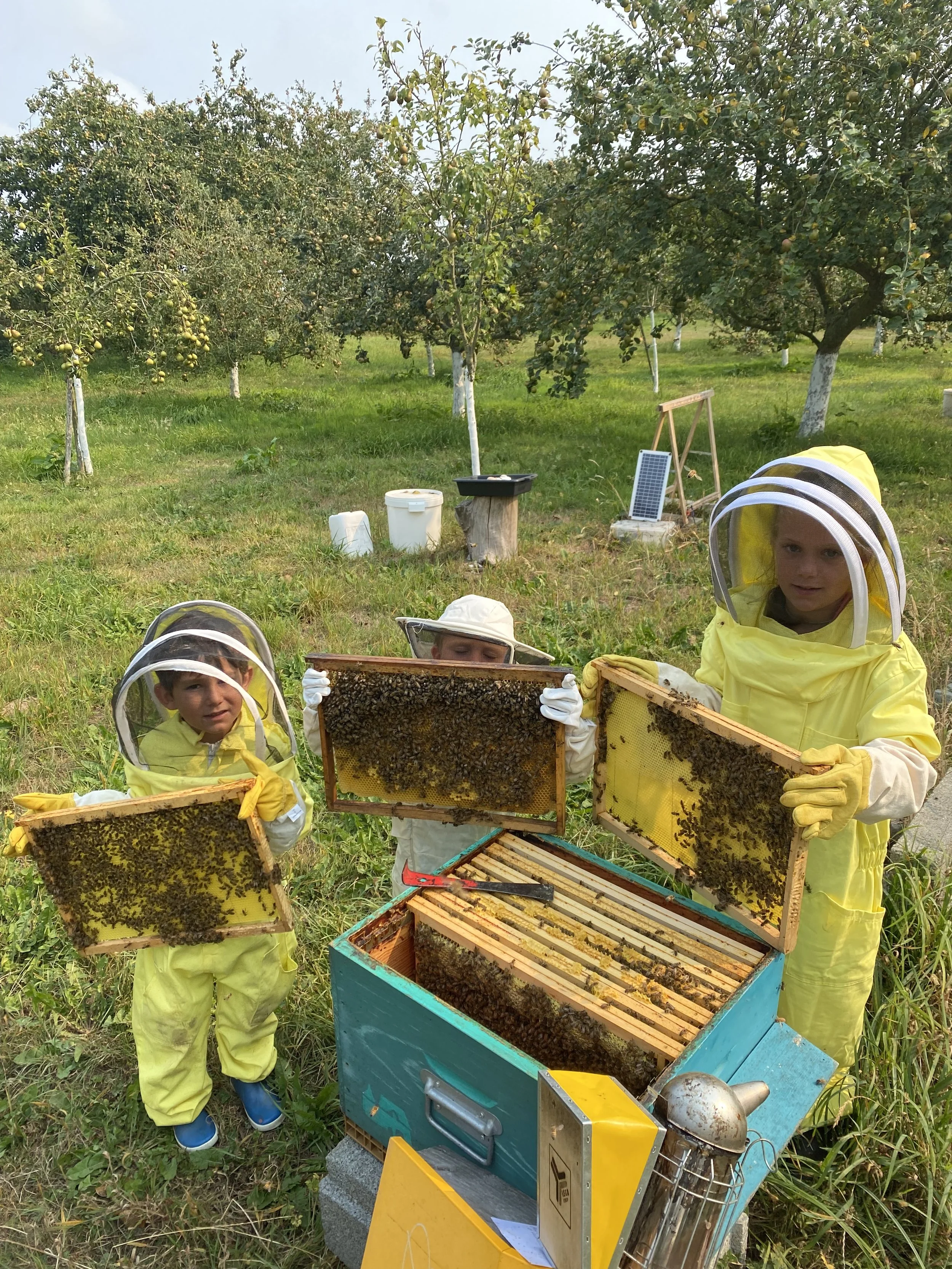
« Merci pour cette session si riche et réfléchie, et pour le cahier que les enfants continuent d'apprécier. Vous nous avez gâtés, nous en redemandons déjà. »
Isabelle Robert, École du Sacré-Cœur
Les enfants étaient ravis et émus de pouvoir s'approcher d'une ruche et découvrir la vie des abeilles. Olga a transmis sa passion, et son attention pour l'espèce, à chacun d'entre eux. »
Cathy, enseignante, classe de CE2-CM
“Une abeille ne demande pas qu’on la remercie d’avoir pollinisé une seule fleur. Elle butine, elle est et fait sa part, et toute la vaste prairie fleurit grâce à elle. Nous aussi, nous pouvons être de même”

Bee Kind
Bee happy!